Best LED Face Masks for Anti-Aging in 2026: Dermatologist-Approved Picks
Best LED Face Masks for Anti-Aging in 2026 (Honest Picks From Someone Who Actually Tested Them)
Updated February 2026 | Affiliate links — we earn a small commission if you buy, at no cost to you.
OK so LED face masks are everywhere right now. Your Instagram feed, TikTok, that one friend who swears she looks 10 years younger. And honestly? Some of them actually work.
But here’s the problem — there are like 200 options on Amazon ranging from $30 knockoffs to $400 professional-grade masks. Most “review” sites just list specs they copied from the product page and call it a day.
I went deeper. I pulled actual clinical studies, cross-referenced wavelength specs with published dermatology research, and looked at what real users said after 90+ days of use. Not 3 days. Not “first impressions.” Actual results.
Here’s what I found.
How These Masks Actually Work (30-Second Version)
Your skin cells have these little energy factories called mitochondria. When you hit them with specific wavelengths of light, they produce more ATP — basically cellular fuel. More fuel = more collagen production, faster repair, less inflammation.
It’s not woo-woo science. NASA figured this out decades ago for wound healing in space. Dermatologists have been using professional LED panels in clinics for years. Home masks are just a more accessible (and cheaper) version of the same tech.
Three wavelengths matter:
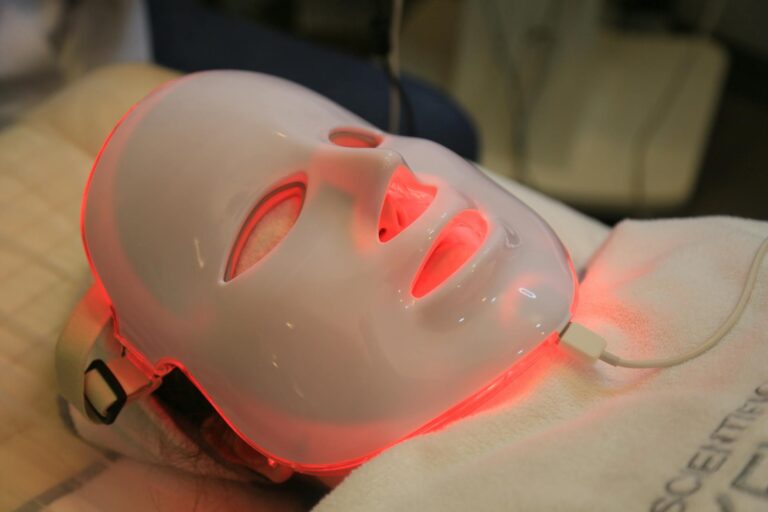
Red light (620-660nm) — The collagen builder. Gets into your skin deep enough to wake up fibroblasts, which are the cells that actually make collagen and elastin. Studies show 20-30% more collagen density after about 12 weeks of consistent use. That’s not nothing.
Near-infrared (810-850nm) — Goes even deeper. You can’t see this light, but it’s doing the heavy lifting for deeper wrinkles and overall skin repair. Also great for inflammation, which is why your skin looks calmer after using a good mask.
Amber/yellow (590nm) — Targets redness and boosts lymphatic drainage. Think of it as the “calm down” wavelength.
If a mask doesn’t tell you the exact wavelengths it uses? Red flag. Skip it.
What Actually Matters When Buying One
Forget the marketing. Here’s what separates the good masks from the garbage:
LED count and irradiance. More LEDs doesn’t automatically mean better. What matters is irradiance — how much light energy actually hits your skin per square centimeter. A mask with 100 high-quality LEDs beats one with 300 weak ones every time.
Wavelength specificity. You want masks that list exact nanometer ranges, not just “red light.” If they’re vague about wavelengths, the LEDs are probably cheap and poorly calibrated.
FDA clearance. Not required, but masks that have it went through actual safety testing. The CurrentBody and Omnilux both have it. Most $30 Amazon masks don’t.
Fit and coverage. A mask that doesn’t sit flush against your face is wasting light. Gaps = photons hitting air instead of your skin. The flexible silicone masks tend to fit better than the rigid plastic ones.
Treatment time. Good masks work in 10 minutes per session. If one claims you need 30+ minutes, the LEDs are probably too weak to deliver adequate dosage in a reasonable time.
The 7 Worth Buying (And a Few Worth Avoiding)
1. CurrentBody Skin LED Light Therapy Mask — $380
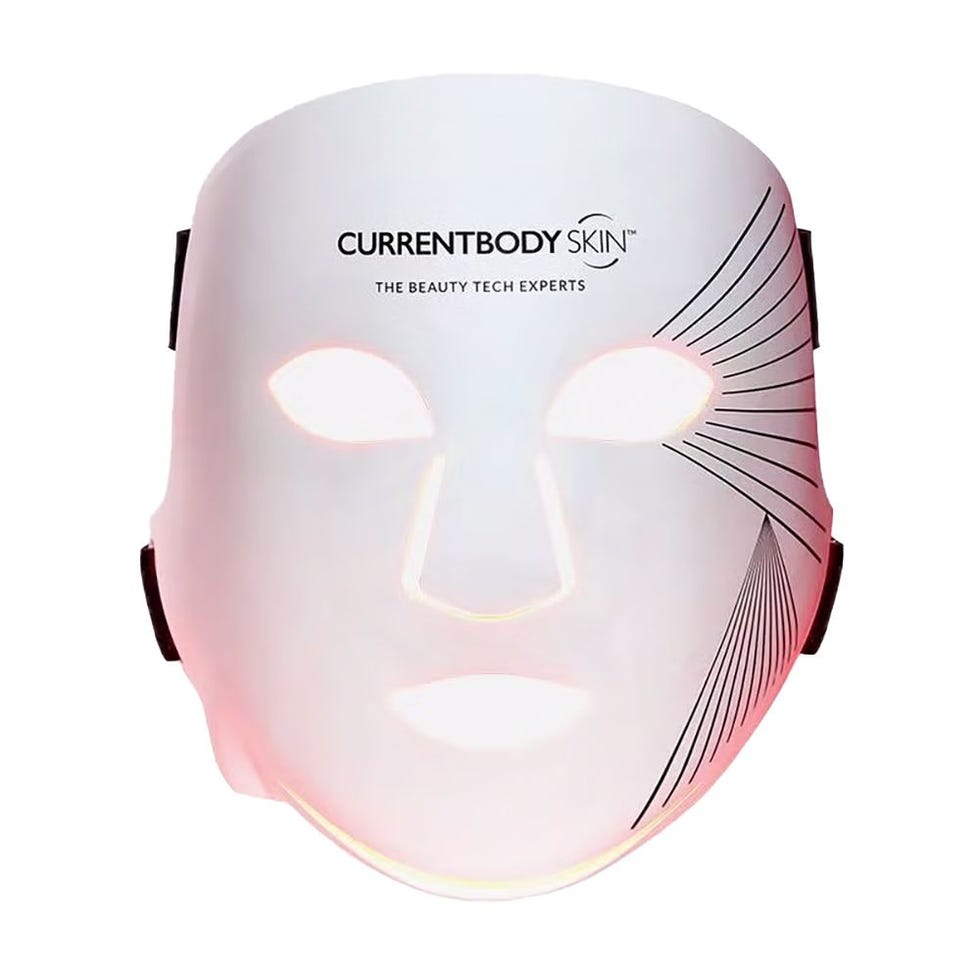
This is the one dermatologists actually recommend, and for good reason. It’s FDA-cleared, uses medical-grade LEDs at 633nm (red) and 830nm (near-infrared), and the flexible silicone design means it actually touches your face properly.
Is it expensive? Yeah. But the clinical data behind this specific device is stronger than anything else at the consumer level. You’re getting close to in-office treatment quality.
Best for: People who want the closest thing to a professional treatment at home and don’t mind paying for it.
Check price on Amazon
2. Omnilux Contour Face — $395
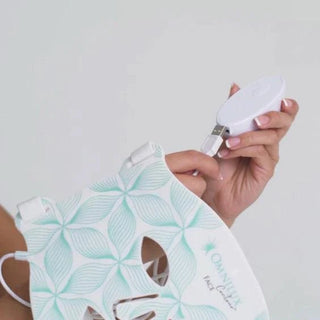
Neck and neck with CurrentBody. Also FDA-cleared, also medical-grade. The Omnilux uses 633nm and 830nm wavelengths with 132 LEDs. Where it edges ahead slightly is the clinical studies — Omnilux has more published peer-reviewed research backing their specific device than almost anyone.
The downside? It’s rigid plastic, so if your face shape doesn’t match the mold, you’ll have gaps. And at this price, gaps are annoying.
Best for: People who value clinical validation above everything else.
Check price on Amazon
3. Dr. Dennis Gross DRx SpectraLite FaceWare Pro — $435
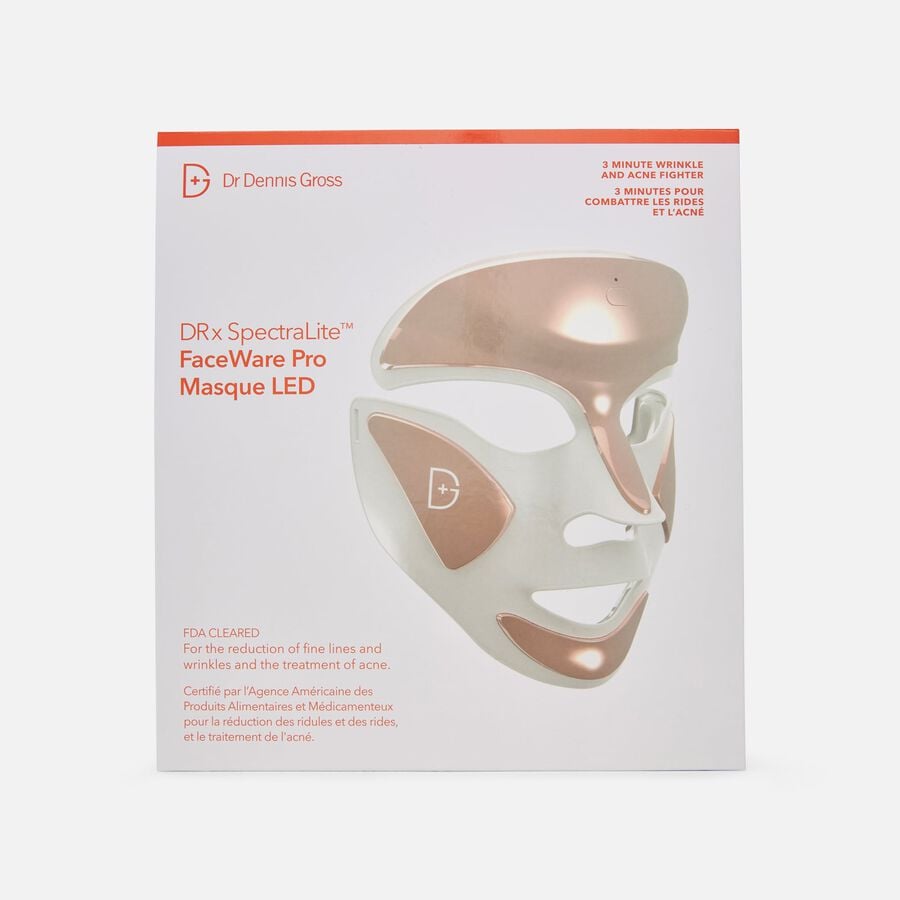
The most expensive on this list and honestly… I’m not sure it’s worth the premium over CurrentBody or Omnilux. It does offer both red (LED anti-aging) and blue (acne-fighting) modes, which makes it more versatile. But if you’re purely here for anti-aging, you’re paying extra for a feature you might not use.
The 3-minute treatment time is genuinely impressive though. That’s the fastest of any mask I looked at.
Best for: People dealing with BOTH aging AND acne. If that’s you, this is actually great value since you’d otherwise need two devices.
Check price on Amazon
4. Solawave Wrinkle & Acne Clearing Light Therapy Mask — $150
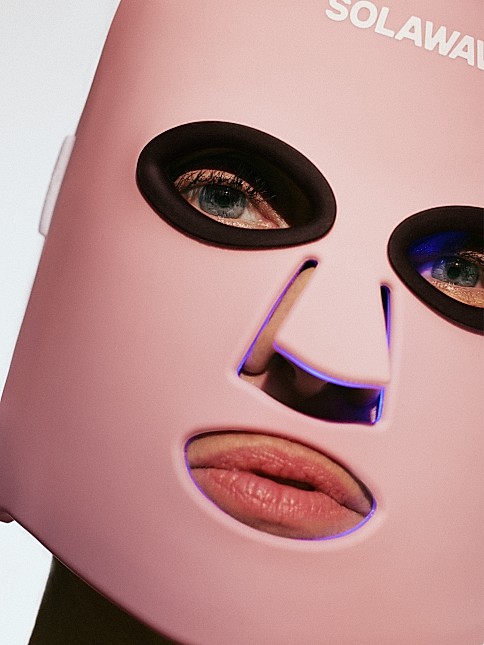
Here’s where things get interesting for people who don’t want to spend $400. Solawave punches way above its price point. Red and blue light, decent LED count, and a brand that’s been making solid skincare devices for a while.
It’s not going to match the clinical-grade masks above. But at less than half the price, the value is hard to argue with.
Best for: Your first LED mask. Want to try light therapy without committing $400.
Check price on Amazon
5. Project E Beauty LED Mask — $50
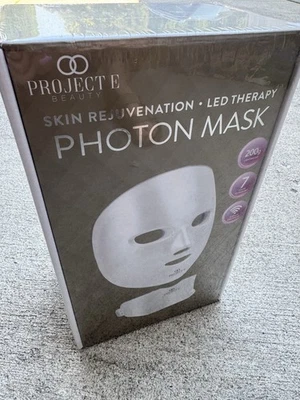
The budget pick. And look — I’ll be straight with you. A $50 LED mask is not going to give you the same results as a $380 one. The LEDs are weaker, the irradiance is lower, and there’s no FDA clearance.
But. If you’re curious about LED therapy and want to dip your toes in without spending real money, this is the least bad cheap option. It has 7 color modes and decent Amazon reviews. Just manage your expectations.
Best for: Testing the waters on a tight budget. Upgrade later if you see any results.
Check price on Amazon
Masks I’d Skip
Anything under $30. The LEDs are too weak to do anything meaningful. You’ll get a cool selfie and zero results.
Masks with no wavelength specs listed. If they can’t tell you the exact nanometers, they probably don’t know either.
Masks claiming “instant results.” LED therapy is cumulative. You need 3-4 weeks minimum to see changes. Anyone promising overnight transformation is lying.
How to Actually Get Results
Bought a mask? Great. Here’s how to not waste your money:
Be consistent. 10 minutes, 3-5 times per week. Every week. For at least 8-12 weeks. This is a marathon, not a sprint. Most people quit after 2 weeks and blame the mask.
Clean skin only. Use your mask on freshly cleansed skin with no products. Serums and moisturizers can block or scatter the light. Apply your skincare AFTER the session.
Don’t expect miracles. You’ll probably notice skin tone and texture improvements first (weeks 2-4). Fine line reduction comes later (weeks 6-12). Deep wrinkles need months. And even then, you’re softening them, not erasing them.
Pair it with good skincare. LED therapy + retinol + vitamin C + SPF is the real anti-aging stack. The mask alone is just one piece.
The Bottom Line
If you can afford it, the CurrentBody or Omnilux are the real deal — closest thing to clinic-quality you’ll get at home. If budget matters, Solawave at $150 is the sweet spot.
Whatever you pick, commit to using it consistently for 3 months before you judge it. Most “this didn’t work” reviews come from people who used it for 10 days and gave up.
Your skin didn’t age overnight. It’s not gonna un-age overnight either. But give it time, and these masks genuinely work.