Red Light Therapy vs Blue Light Therapy: Which One Do You Actually Need?
Last updated: February 2026 | Written by [Author Name] | Affiliate Disclosure: This post contains affiliate links.
You've decided to invest in LED light therapy for your skin — smart move. But now you're staring at a wall of options, and one question keeps coming up: should you get
red light therapy or blue light therapy?
The short answer: it depends entirely on what your skin needs. Red and blue light do completely different things, target different skin concerns, and work through different biological mechanisms.
This guide will break down exactly what each type of light therapy does, who it's best for, the science behind each, and which devices deliver the best results in 2026. By the end, you'll know exactly which color of light (or combination) your skin needs.
🔥 Top Light Therapy Devices on Amazon
AI-curated recommendations based on this article’s content
The Quick Answer
| Red Light Therapy | Blue Light Therapy | |
|---|---|---|
| Best for | Anti-aging, wrinkles, collagen production | Acne, breakouts, oily skin |
| How it works | Stimulates collagen and elastin production | Kills acne-causing P. acnes bacteria |
| Wavelength | 620-660nm (visible) + 810-850nm (near-infrared) | 405-420nm |
| Timeline for results | 6-12 weeks for anti-aging effects | 2-4 weeks for acne improvement |
| Safety profile | Very safe, minimal side effects | Generally safe, potential eye sensitivity |
Red Light Therapy: The Anti-Aging Powerhouse
How Red Light Works
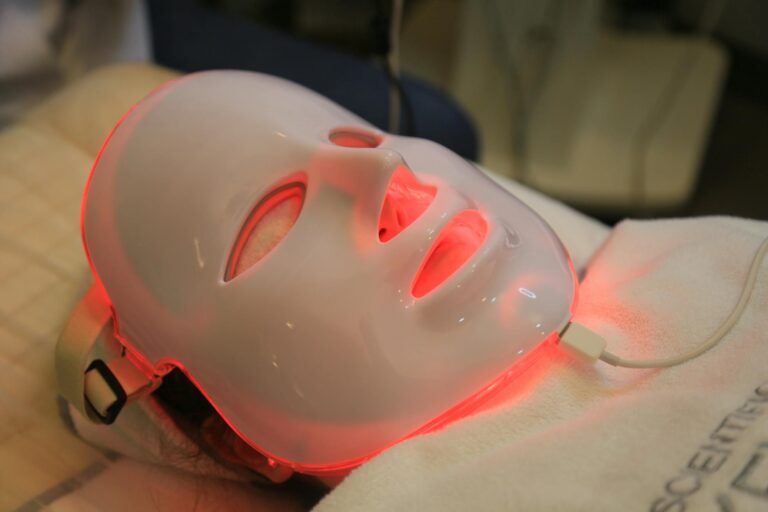
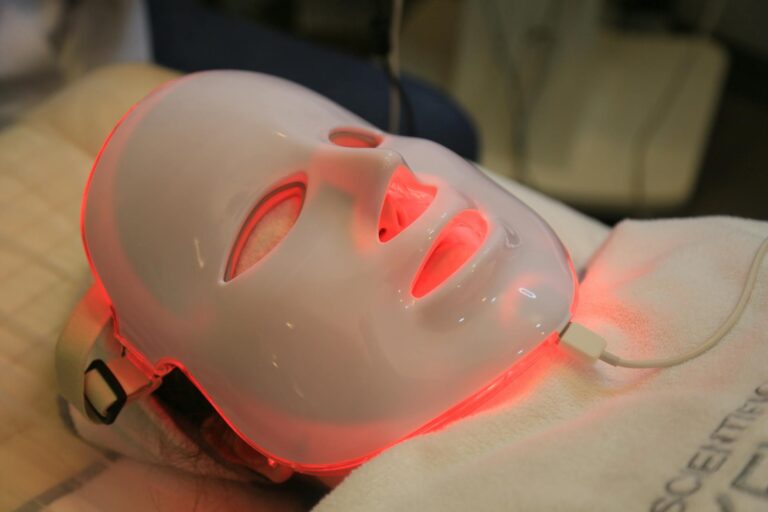
Red light therapy (also called photobiomodulation) uses specific wavelengths of red and near-infrared light to stimulate cellular energy production. Here’s what happens at the cellular level:
1. Mitochondrial Stimulation
Red light photons are absorbed by cytochrome c oxidase, an enzyme in your cell’s mitochondria (the “powerhouses” of your cells). This absorption kickstarts the production of ATP (adenosine triphosphate) — cellular energy.
2. Collagen and Elastin Production
The increased cellular energy stimulates fibroblasts — the cells responsible for producing collagen and elastin. More collagen means firmer, smoother, more youthful-looking skin.
3. Enhanced Blood Flow
Red light therapy increases nitric oxide production, which dilates blood vessels and improves circulation. Better blood flow means more nutrients and oxygen delivered to skin cells.
4. Reduced Inflammation
The therapy has anti-inflammatory effects that can help with various skin conditions and accelerate healing processes.
🔴 Red Light Therapy Devices
Professional-grade red light devices for anti-aging
What Red Light Therapy Treats
- Fine lines and wrinkles — Clinical studies show 25-35% improvement in fine lines after 12 weeks
- Skin texture and tone — Smoother, more even complexion
- Sagging skin — Improved firmness and elasticity
- Age spots and sun damage — Gradual improvement in pigmentation
- Acne scars — Helps remodel scar tissue over time
- General skin health — Overall improvement in skin radiance and vitality
The Science Behind Red Light
Red light therapy is one of the most researched forms of light therapy, with over 4,000 peer-reviewed studies supporting its effectiveness. Key research findings include:
- NASA studies: Originally developed for wound healing in space, NASA’s research showed accelerated tissue repair and reduced inflammation
- Collagen studies: Research shows 20-30% increase in collagen production with consistent use
- Clinical trials: Multiple studies demonstrate significant improvement in wrinkles, skin texture, and overall appearance
- Safety profile: Extensive research confirms red light therapy is safe for daily use with virtually no side effects
Red Light Therapy Wavelengths
Not all red light is created equal. The most effective wavelengths are:
- 630-660nm (Red light): Penetrates 8-10mm, ideal for surface skin concerns like fine lines and texture
- 810-850nm (Near-infrared): Penetrates deeper (2-4cm), excellent for deeper tissue healing and inflammation reduction
- Combination devices: Many devices use both wavelengths simultaneously for comprehensive treatment
Blue Light Therapy: The Acne Fighter
How Blue Light Works
Blue light therapy takes a completely different approach. Instead of stimulating cellular processes, it directly targets and destroys acne-causing bacteria:
1. Bacterial Targeting
Blue light at 415nm wavelength is absorbed by porphyrins — compounds naturally produced by P. acnes bacteria (the primary cause of inflammatory acne).
2. Photochemical Reaction
When porphyrins absorb blue light, they create reactive oxygen species that are toxic to the bacteria, effectively killing them without damaging surrounding skin tissue.
3. Sebaceous Gland Regulation
Some research suggests blue light may also help regulate sebaceous (oil) gland activity, reducing excess oil production that contributes to acne formation.
💙 Blue Light Acne Treatment Devices
What Blue Light Therapy Treats
- Active inflammatory acne — Most effective against red, inflamed pimples
- Mild to moderate acne — Works best before acne becomes severe
- Comedonal acne — Some improvement in blackheads and whiteheads
- Oily skin — May help reduce excess oil production
- Acne prevention — Regular use can prevent new breakouts
The Science Behind Blue Light
Blue light therapy for acne is FDA-cleared and backed by clinical research:
- Bacterial reduction: Studies show 62-70% reduction in P. acnes bacteria after treatment
- Inflammatory acne improvement: Clinical trials demonstrate 60-80% reduction in inflammatory lesions
- Safety profile: Generally safe, though some people experience mild irritation or increased photosensitivity
- Combination studies: Research shows blue light is more effective when combined with topical treatments
Blue Light Limitations
It’s important to understand what blue light therapy can’t do:
- Not effective for cystic acne: Severe, deep acne typically requires systemic treatment
- No anti-aging benefits: Blue light doesn’t stimulate collagen production
- Results plateau: Benefits may diminish with very long-term use
- Photosensitivity: Some users experience increased sensitivity to sunlight
Combination Therapy: Red + Blue Light
Many devices now offer both red and blue light therapy, and research suggests combining them can be more effective than either alone:
Benefits of Combination Therapy
- Acne and anti-aging: Address multiple skin concerns simultaneously
- Enhanced healing: Blue light kills bacteria while red light promotes tissue repair
- Reduced inflammation: Red light’s anti-inflammatory effects complement blue light’s bacterial action
- Comprehensive treatment: Address both the cause (bacteria) and effects (inflammation, scarring) of acne
⚡ Combination Light Therapy Devices
Who Should Consider Combination Therapy
- Adult acne sufferers: Deal with breakouts and early signs of aging
- Post-acne skin: Clear active acne while addressing scarring
- Prevention-focused users: Maintain clear, youthful skin proactively
- Budget-conscious buyers: One device that does multiple jobs
Which Type of Light Therapy Is Right for You?
Choose Red Light Therapy If:
- You’re primarily concerned with anti-aging (fine lines, wrinkles, skin firmness)
- You want to improve overall skin texture and tone
- You’re dealing with acne scars or sun damage
- You have mature skin (30+) without active acne issues
- You’re interested in preventive skincare
- You want a therapy with extensive research backing
Choose Blue Light Therapy If:
- You’re dealing with active inflammatory acne
- You have oily, acne-prone skin
- You’re a teenager or young adult with persistent breakouts
- You want a chemical-free acne treatment
- You need something that works quickly (results in 2-4 weeks)
- Traditional acne treatments haven’t worked or cause irritation
Choose Combination Therapy If:
- You have both acne and aging concerns
- You want maximum versatility from one device
- You’re dealing with adult acne
- You want to prevent future problems while addressing current ones
- You prefer one comprehensive solution
Treatment Protocols and Timelines
Red Light Therapy Protocol
- Frequency: 3-5 times per week
- Session length: 10-20 minutes
- Distance: 6-12 inches from skin
- Initial results: 2-4 weeks (improved skin texture)
- Significant results: 6-12 weeks (visible anti-aging effects)
- Maintenance: 2-3 sessions per week ongoing
Blue Light Therapy Protocol
- Frequency: Daily for active acne, 3-4x/week for maintenance
- Session length: 15-17 minutes
- Distance: Direct contact or close proximity
- Initial results: 1-2 weeks (reduced inflammation)
- Significant results: 4-6 weeks (clearer skin)
- Maintenance: 2-3 sessions per week
Safety Considerations
Red Light Safety
- Generally very safe with minimal side effects
- Eye protection recommended but not always required
- Safe during pregnancy (though always consult your doctor)
- No known medication interactions
- Suitable for all skin types
Blue Light Safety
- Eye protection essential — blue light can damage retinas
- May increase photosensitivity — use extra sun protection
- Can interfere with sleep if used too close to bedtime
- Not recommended during pregnancy without medical supervision
- May interact with certain medications (photosensitizing drugs)
Cost Comparison
Professional Treatments
- Red light therapy: $75-$150 per session
- Blue light therapy: $40-$100 per session
- Typical treatment course: 8-12 sessions
- Total professional cost: $500-$1,800
At-Home Devices
- Red light devices: $100-$600
- Blue light devices: $50-$300
- Combination devices: $150-$800
- Cost per treatment: Essentially free after initial investment
🏆 Top-Rated Light Therapy Devices
Device Recommendations by Category
Best Red Light Therapy Devices
- CurrentBody Skin LED Light Therapy Face Mask: Professional-grade, comfortable fit
-
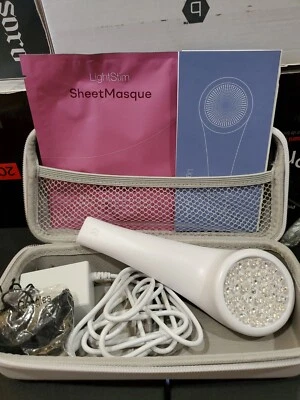
LightStim for Wrinkles: Targeted treatment, FDA-cleared
- PlatinumLED BioMax Series: Full-body panels for comprehensive treatment
- Joovv Go 2.0: Portable, high-quality construction
Best Blue Light Therapy Devices
- FOREO ESPADA: Targeted acne treatment, sleek design
- LightStim for Acne: FDA-cleared, clinically proven
- Project E Beauty Blue Light: Budget-friendly, effective
-
Trophy Skin BlueMD: Professional-grade home device
Best Combination Devices
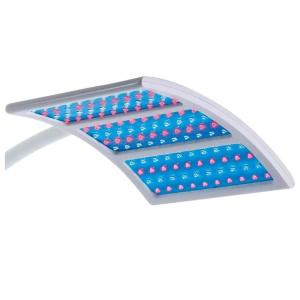
- CurrentBody Skin LED Light Therapy Face Mask (Combination): Red and near-infrared
- Dr. Dennis Gross SpectraLite FaceWare Pro: Red and blue LEDs
- Project E Beauty 7-Color LED Mask: Multiple wavelengths including red and blue
- LightStim for Wrinkles + LightStim for Acne combo: Two specialized devices
Common Mistakes to Avoid
- Using the wrong wavelength: Not all red or blue lights are therapeutic — check specifications
- Inconsistent use: Light therapy requires regular, consistent sessions
- Wrong distance/timing: Follow manufacturer instructions precisely
- Expecting overnight results: Light therapy works gradually over weeks
- Skipping eye protection: Especially important with blue light
- Using damaged skin: Don’t use light therapy on broken or irritated skin
- Choosing based on price alone: Quality and specifications matter more than cost
Combining Light Therapy with Other Treatments
What Works Well Together
- Red light + vitamin C serum: Enhanced collagen production
- Red light + retinol: Use retinol on off nights, not same session
- Blue light + salicylic acid: Complementary acne-fighting approaches
- Either light + hyaluronic acid: Hydration boosts healing
What to Avoid
- Photosensitizing medications + light therapy: Consult your doctor
- Active retinoids + blue light: May increase irritation
- Benzoyl peroxide + light therapy: Use at different times
🌟 Ready to Start Your Light Therapy Journey?
Find the perfect light therapy device for your skin concerns
AI-powered recommendations • Free shipping with Prime • 30-day returns
The Bottom Line
The choice between red and blue light therapy ultimately comes down to your primary skin concerns:
- For anti-aging and overall skin health: Red light therapy is the clear winner
- For active acne: Blue light therapy is more effective
- For comprehensive skin care: Combination therapy offers the most versatility
Both red and blue light therapies are backed by solid scientific research and have excellent safety profiles when used correctly. The key to success is choosing the right wavelength for your concerns, investing in a quality device, and committing to consistent use.
Remember that light therapy is a gradual process — you’re essentially training your skin to function better at the cellular level. Be patient, be consistent, and you’ll likely be impressed with what these simple devices can accomplish.
Whether you choose red, blue, or a combination of both, you’re investing in a proven technology that can deliver real, measurable improvements to your skin health and appearance. The future of skincare is literally bright — and now you know which color is right for you.
Have questions about choosing the right light therapy for your skin? Drop them in the comments — we love helping you navigate these decisions! 💡