Do LED Face Masks Actually Work? The Science Behind Light Therapy
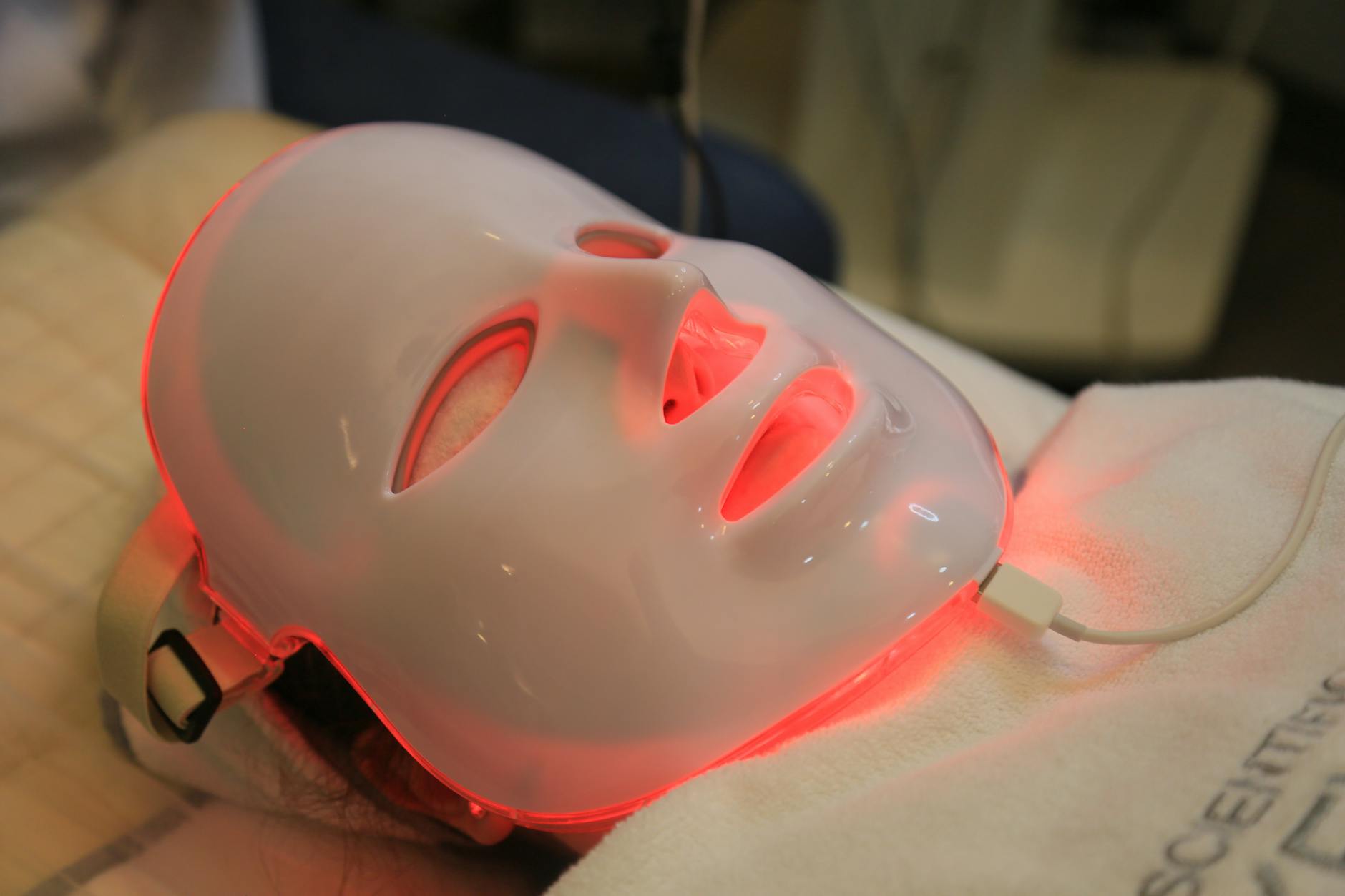
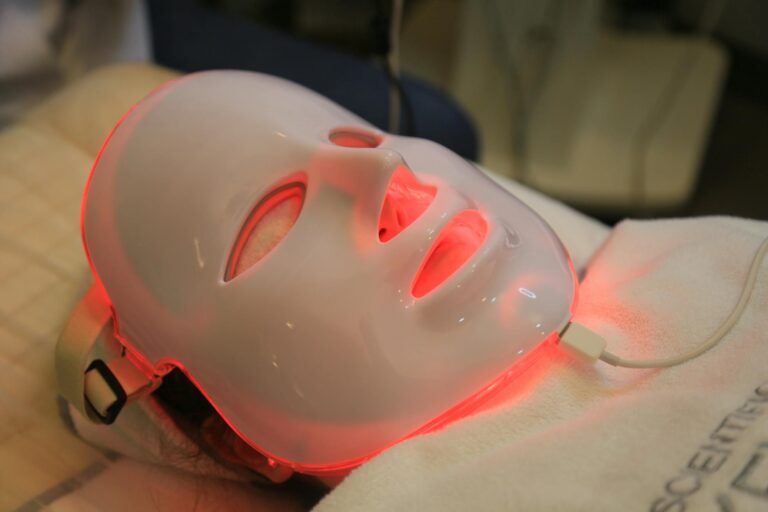
You’ve seen them all over Instagram and TikTok — glowing, futuristic-looking LED face masks promising everything from smoother skin to acne-free complexions. But with price tags ranging from $30 to $500+, the real question is: do LED face masks actually work?
The short answer? Yes — but with caveats. LED light therapy is one of the few beauty trends backed by legitimate scientific research, peer-reviewed studies, and dermatologist endorsements. However, not all LED masks are created equal, and understanding the science behind different light wavelengths is crucial before investing your money.
In this comprehensive guide, we’ll break down exactly how LED light therapy works at a cellular level, what the clinical research says, which skin concerns it can (and can’t) address, and how to choose the right device for your needs.
What Is LED Light Therapy? A Quick Overview
LED stands for Light Emitting Diode. LED light therapy — also known as photobiomodulation (PBM) or low-level light therapy (LLLT) — uses specific wavelengths of visible and near-infrared light to penetrate the skin at different depths. Unlike UV light from the sun or tanning beds, LED light therapy uses non-ionizing wavelengths, meaning it doesn’t damage DNA or cause burns.
Originally developed by NASA in the 1990s to help plants grow in space (and later to help astronaut wounds heal faster), LED light therapy was adopted by dermatologists for in-office treatments before eventually making its way into at-home devices. Today, the technology has become accessible enough for daily home use, though professional-grade devices still tend to deliver stronger results.
The Science: How LED Light Therapy Works at the Cellular Level
Understanding why LED masks work requires a quick biology lesson. Here’s what’s happening beneath your skin when you use one:
Photobiomodulation: Light as Cellular Fuel
When LED light of specific wavelengths hits your skin, it penetrates to different depths depending on the color (wavelength). Once absorbed by cells, the light energy interacts with chromophores — light-sensitive molecules within your cells. The most important chromophore is cytochrome c oxidase, an enzyme in the mitochondria (the “powerhouses” of your cells).
When cytochrome c oxidase absorbs LED light, it triggers a cascade of beneficial effects:
- Increased ATP production: ATP (adenosine triphosphate) is the energy currency of cells. More ATP means cells have more energy to repair, regenerate, and function optimally.
- Reduced oxidative stress: LED light helps modulate reactive oxygen species (ROS), reducing cellular damage from free radicals.
- Enhanced blood circulation: The light stimulates nitric oxide release, improving microcirculation and delivering more oxygen and nutrients to skin cells.
- Collagen stimulation: Fibroblast cells are activated to produce more collagen and elastin — the structural proteins that keep skin firm and plump.
- Anti-inflammatory effects: LED therapy reduces pro-inflammatory cytokines, helping calm redness, irritation, and inflammatory acne.
Why Wavelength Matters: Not All Colors Are Equal
Different wavelengths penetrate to different depths and trigger different biological responses. This is why LED masks come with multiple color options — each targets a different skin concern. For a deeper comparison of specific wavelengths, check out our guide to red light therapy vs blue light therapy.
Breaking Down Each LED Light Color and What It Does
Red Light (620–700nm): The Anti-Aging Powerhouse
Penetration depth: 4–5mm (reaches the dermis)
Red light therapy is the most extensively researched wavelength for skincare. It penetrates deep enough to reach fibroblast cells in the dermis, where collagen and elastin are produced.
What the research says:
- A landmark 2014 study published in Photomedicine and Laser Surgery found that participants using red and near-infrared LED therapy experienced “significantly improved skin complexion and skin feeling” with clinically measured increases in collagen density.
- A 2019 systematic review in the Journal of the American Academy of Dermatology confirmed that LED phototherapy shows “promising results” for photoaging and wound healing.
- Multiple studies show red light therapy can reduce fine lines and wrinkles by 36% after 12 weeks of consistent use.
Best for: Fine lines, wrinkles, loss of firmness, dull skin, overall skin rejuvenation, wound healing, and post-procedure recovery.
If anti-aging is your primary concern, check out our roundup of the best LED face masks for anti-aging.
Near-Infrared Light (700–1100nm): The Deep Healer
Penetration depth: 5–10mm (reaches subcutaneous tissue)
Near-infrared (NIR) light is invisible to the naked eye but penetrates the deepest of all LED wavelengths. It’s particularly effective for inflammation, pain relief, and deep tissue repair.
What the research says:
- NIR light has been shown to accelerate wound healing by up to 200% in clinical studies.
- A 2017 study found that 830nm NIR light significantly reduced inflammatory markers in skin tissue.
- NIR is frequently combined with red light in professional LED devices for synergistic anti-aging effects.
Best for: Deep tissue healing, reducing inflammation, pain relief, enhancing the effects of red light therapy. Many of the best red light therapy devices for home use include NIR wavelengths.
Blue Light (405–450nm): The Acne Fighter
Penetration depth: 1–2mm (epidermis and upper dermis)
Blue light therapy targets acne specifically by killing Cutibacterium acnes (formerly Propionibacterium acnes), the bacteria responsible for inflammatory acne breakouts.
What the research says:
- A 2004 study in the British Journal of Dermatology found that blue light therapy reduced inflammatory acne lesions by 76% over 12 weeks.
- Blue light at 415nm specifically targets porphyrins produced by acne bacteria, generating reactive oxygen species that destroy the bacteria from within.
- A 2019 meta-analysis confirmed blue light as an effective adjunct treatment for mild to moderate acne vulgaris.
Best for: Inflammatory acne, mild to moderate breakouts, reducing bacteria on the skin’s surface, and controlling excess sebum production.
Amber/Yellow Light (570–590nm): The Calming Glow
Penetration depth: 2–3mm
Amber and yellow LED light is less researched than red or blue but shows promise for specific concerns. It targets the epidermis and superficial dermis, helping with redness and uneven skin tone.
Best for: Redness, rosacea symptoms, sensitive skin, sun damage, improving lymphatic drainage, and reducing the appearance of hyperpigmentation.
Green Light (520–560nm): The Tone Corrector
Penetration depth: 2–3mm
Green light targets melanocytes, the cells responsible for melanin production. Early research suggests it may help with hyperpigmentation and dark spots, though more large-scale studies are needed.
Best for: Hyperpigmentation, dark spots, uneven skin tone, and potentially calming effects on the skin.
What Does the Clinical Evidence Actually Say? An Honest Assessment
Let’s be real about where the science stands. While LED light therapy has more clinical backing than most beauty trends, the evidence isn’t uniform across all claims.
Strong Evidence (Multiple Peer-Reviewed Studies)
- ✅ Collagen production and anti-aging: Red and NIR light consistently stimulate collagen synthesis in clinical trials
- ✅ Acne reduction: Blue light’s antibacterial mechanism is well-documented and clinically proven
- ✅ Wound healing: NASA research and subsequent medical studies confirm accelerated healing
- ✅ Reducing inflammation: Multiple studies show reduced inflammatory markers
- ✅ Safety profile: LED therapy is consistently shown to be safe with virtually no side effects when used as directed
Moderate Evidence (Some Studies, More Needed)
- ⚠️ Hyperpigmentation reduction: Promising early results but limited large-scale trials
- ⚠️ Rosacea management: Anecdotal and small-study support, not yet definitive
- ⚠️ Hair growth stimulation: Some devices show promise, but skin masks aren’t designed for this
Weak or No Evidence
- ❌ Instant results: LED therapy requires consistent use over weeks/months
- ❌ Replacing professional treatments: At-home devices are less powerful than in-office equipment
- ❌ Curing severe cystic acne: Blue light works best for mild to moderate inflammatory acne
- ❌ “Detoxifying” claims: No scientific basis for LED light “detoxifying” the skin
At-Home LED Masks vs. Professional In-Office Treatments
One of the biggest questions people have is whether at-home LED masks can deliver results comparable to professional treatments. Here’s an honest comparison:
Professional In-Office LED Treatments
- Power output: Typically 50–100+ mW/cm² (milliwatts per square centimeter)
- Session time: 15–30 minutes
- Cost: $50–$300 per session, typically requiring 6–10 sessions
- Pros: Stronger results per session, professionally administered, often combined with other treatments
- Cons: Expensive over time, requires appointments, inconvenient
At-Home LED Masks
- Power output: Typically 10–30 mW/cm² for quality devices
- Session time: 3–20 minutes (varies by device)
- Cost: $30–$600 one-time purchase
- Pros: Convenient, cost-effective long-term, daily use possible, use from home
- Cons: Lower intensity per session, requires daily consistency, quality varies wildly
The key takeaway: at-home devices work by compensating lower power with higher frequency of use. While a single professional session delivers more energy, using your LED mask consistently at home (4–5 times per week) can accumulate comparable total light dosage over time. For a detailed comparison, read our guide on building a complete at-home skincare device routine.
How to Choose an LED Face Mask That Actually Works
With the market flooded with LED masks at every price point, here’s what to look for to avoid wasting your money:
1. Check the Wavelength Specifications
A legitimate LED mask will list exact wavelengths in nanometers (nm), not just “red” or “blue.” Look for:
- Red light: 630–660nm (ideal anti-aging range)
- Near-infrared: 810–850nm (deep penetration)
- Blue light: 415nm (optimal for acne bacteria)
If a device doesn’t specify wavelengths, that’s a red flag.
2. Look at Power Density (Irradiance)
This is measured in mW/cm² and tells you how much light energy actually reaches your skin. Most effective at-home devices fall in the 10–30 mW/cm² range. Budget masks under $50 often have irradiance below 5 mW/cm², which may not be enough to trigger meaningful photobiomodulation.
3. FDA Clearance
Look for FDA-cleared devices. While FDA clearance isn’t a guarantee of effectiveness (it confirms safety, not efficacy), it does mean the device has undergone testing and meets safety standards. Many reputable brands like CurrentBody, Omnilux, and Dennis Gross have FDA-cleared devices. See our in-depth CurrentBody LED mask review for an example of what a quality FDA-cleared device delivers.
4. Number of LEDs and Coverage
More LEDs generally means better coverage and more uniform light delivery. Full-face masks typically contain 100–400+ LEDs. Be wary of devices with very few LEDs or uneven placement.
5. Comfort and Fit
You’ll be wearing this mask for 10–20 minutes per session, multiple times per week. Flexible silicone masks tend to be more comfortable and provide better skin contact than rigid plastic models.
How to Use Your LED Face Mask for Maximum Results
Having the right device is only half the battle. Here’s how to optimize your LED therapy routine:
Pre-Treatment
- Cleanse thoroughly: Remove all makeup, sunscreen, and dirt. LED light needs direct contact with clean skin to penetrate effectively.
- Apply a light serum (optional): Some studies suggest that hyaluronic acid or vitamin C serums can be applied before LED therapy. However, avoid thick creams or oils that could block light penetration.
- Dry your face: Pat skin dry before applying the mask for optimal light transmission.
During Treatment
- Wear the included eye protection: Even though LED light is not UV, bright light exposure to the eyes should be minimized.
- Ensure good contact: The mask should sit flush against your skin. Gaps reduce the amount of light reaching your cells.
- Follow the recommended time: More is not always better. Most devices are designed for 10–20 minute sessions. Overuse won’t cause harm but won’t improve results either (a concept called biphasic dose response).
Post-Treatment
- Apply your regular skincare: LED therapy can enhance the absorption of serums and moisturizers applied afterward.
- Be consistent: Results require 4–5 sessions per week for a minimum of 4–8 weeks. This is not a one-and-done treatment.
- Track your progress: Take photos in consistent lighting every 2 weeks to objectively measure changes.
Common Myths and Misconceptions About LED Face Masks
Myth 1: “You’ll See Results After One Use”
Reality: While your skin may look temporarily plumper or more radiant after a single session (due to increased circulation), real structural changes like collagen remodeling take 4–12 weeks of consistent use. Think of LED therapy like exercise — one workout won’t transform your body, but a consistent routine will.
Myth 2: “The More Colors, the Better the Device”
Reality: Some masks advertise 7+ colors, but the scientific evidence is strongest for red (630–660nm), near-infrared (810–850nm), and blue (415nm) light. Extra colors like cyan, purple, and white are often marketing additions without robust clinical backing. A device with fewer, well-calibrated wavelengths often outperforms a rainbow device.
Myth 3: “Cheap LED Masks Work Just as Well as Expensive Ones”
Reality: Unfortunately, you often get what you pay for. Budget masks (under $50) frequently have insufficient power density, imprecise wavelengths, and poor build quality. That said, mid-range devices ($100–$250) can deliver excellent results — you don’t necessarily need the most expensive option.
Myth 4: “LED Masks Are Dangerous”
Reality: LED light therapy has an excellent safety profile. Unlike lasers, LEDs emit non-coherent light that doesn’t damage tissue. No UV radiation is involved. The main precaution is for people taking photosensitizing medications or those with epilepsy (some masks have flashing modes). When in doubt, consult your dermatologist.
Who Should (and Shouldn’t) Use LED Face Masks
Great Candidates for LED Therapy
- Anyone concerned about fine lines and early signs of aging
- People with mild to moderate inflammatory acne
- Those looking to improve overall skin radiance and tone
- Post-procedure recovery (after chemical peels, microneedling, etc.)
- People who want to complement their existing skincare routine with technology
- Those who prefer non-invasive, drug-free skin treatments
Who Should Proceed with Caution
- People on photosensitizing medications: Including certain antibiotics (tetracycline, doxycycline), retinoids (Accutane), and some antidepressants. Consult your doctor first.
- Those with epilepsy or seizure disorders: Some devices have flashing or pulsing modes that could trigger seizures.
- Pregnant women: While LED therapy is generally considered safe, most manufacturers recommend consulting with a healthcare provider during pregnancy.
- People with active skin cancer or suspicious lesions: LED light can promote cell proliferation, which is not desirable in areas with abnormal cell growth.
The Bottom Line: Are LED Face Masks Worth the Investment?
After examining the science, clinical evidence, and real-world results, here’s our honest verdict:
LED face masks genuinely work — if you choose a quality device and commit to consistent use.
The science behind photobiomodulation is real. Red light stimulates collagen. Blue light kills acne bacteria. Near-infrared reduces inflammation. These aren’t marketing claims — they’re mechanisms confirmed across dozens of peer-reviewed studies.
However, managing expectations is crucial. LED therapy is not a miracle cure or an instant fix. It’s a long-term investment in your skin’s health that delivers gradual, cumulative improvements. Think of it as the skincare equivalent of a daily vitamin — the benefits compound over time with consistency.
For most people, a quality mid-range LED mask ($100–$300) combined with a solid skincare routine will deliver noticeable improvements in skin texture, tone, and overall radiance within 8–12 weeks. And when compared to the cost of professional LED treatments ($50–$300 per session), a one-time purchase pays for itself quickly.
If you’re ready to explore your options, check out our curated lists of the best LED face masks for anti-aging and the top red light therapy devices for home use. And for help incorporating LED therapy into a complete routine, don’t miss our step-by-step skincare device guide.
Have questions about LED light therapy? Drop them in the comments below — we read and respond to every one!
One Comment