Best Laser Hair Growth Devices in 2026: 7 FDA-Cleared Caps and Helmets That Actually Work
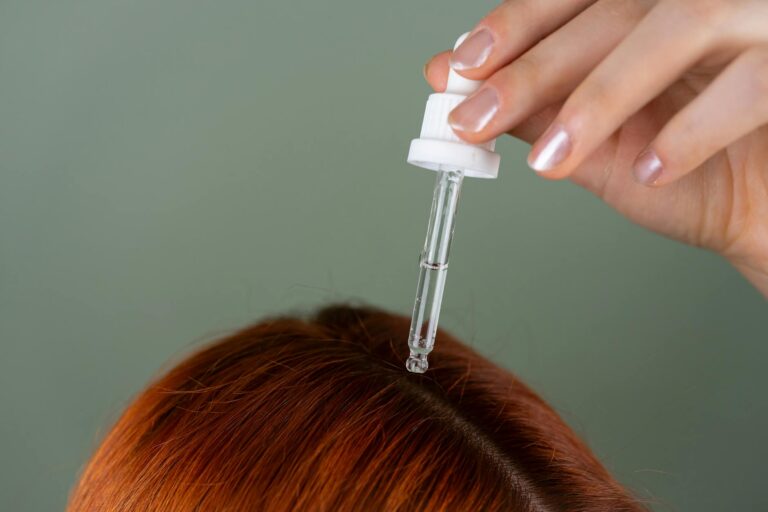
Losing hair? You’re not alone — and you don’t need a transplant. Low-level laser therapy (LLLT) devices have gone from sketchy infomercials to FDA-cleared, clinically proven treatments you can use at home. We’ve researched the science, tested the claims, and found the 7 best laser hair growth devices in 2026. Here’s what actually works.
How Does Laser Hair Growth Actually Work?
Low-level laser therapy (LLLT) uses red light wavelengths — typically between 630-670nm — to stimulate hair follicles at the cellular level. The light energy is absorbed by the mitochondria in hair follicle cells, which increases ATP (cellular energy) production and promotes blood flow to the scalp.
A systematic review published in the Journal of Clinical and Aesthetic Dermatology analyzed seven randomized controlled trials of FDA-cleared LLLT devices and found they consistently produced statistically significant increases in hair density compared to sham devices.
The key mechanisms include:
- Increased cellular metabolism — more energy for follicle growth
- Improved blood circulation — better nutrient delivery to follicles
- Extended growth (anagen) phase — hair stays in its growing cycle longer
- Reduced inflammation — calms the scalp environment
Important: LLLT works best for androgenetic alopecia (pattern hair loss) in its early to moderate stages. If your follicles are completely dormant, no amount of laser therapy will resurrect them. The earlier you start, the better your results.
What to Look for in a Laser Hair Growth Device
Before spending hundreds of dollars, here’s what matters:
- FDA clearance — Not FDA “approved” (that’s a higher standard), but FDA cleared means it passed safety and efficacy testing
- Medical-grade laser diodes — True laser diodes are more powerful than LEDs. The best devices use lasers or a combination of lasers + LEDs
- Coverage area — Full-cap designs cover your entire scalp; bands and combs target specific areas
- Wavelength — Look for 650-670nm range (the clinically studied sweet spot)
- Diode count — More diodes generally means better coverage and faster treatments
- Treatment time — Under 30 minutes per session is ideal for compliance
The 7 Best Laser Hair Growth Devices in 2026
1. iRestore Professional — Best Overall
The iRestore Professional is the most popular laser hair growth device on Amazon for good reason. With 282 lasers and LEDs, it delivers clinical-grade coverage in a comfortable helmet design.
- Diodes: 282 (lasers + LEDs)
- Wavelength: 650nm
- Treatment time: 25 minutes, every other day
- FDA cleared: Yes
- Price range: $695-$895
The Professional model is a significant upgrade from the Essential, with nearly double the diode count. Clinical studies showed 43.2% increase in hair count after 24 weeks. The battery is rechargeable and lasts multiple sessions.
Pros: Excellent clinical data, comfortable fit, hands-free design
Cons: Premium price, bulky to store
2. iRestore Essential — Best Budget Pick
The iRestore Essential is the entry-level version that still delivers real results at a more accessible price point.
- Diodes: 51 (lasers + LEDs)
- Wavelength: 650nm
- Treatment time: 25 minutes, every other day
- FDA cleared: Yes
- Price range: $295-$395
Fewer diodes mean slightly less coverage, but the Essential still performed well in clinical testing. If you’re just starting to notice thinning and want to act without breaking the bank, this is your entry point.
Pros: Affordable, FDA cleared, proven results
Cons: Fewer diodes, less coverage than Pro
3. Capillus Pro — Best Premium Laser Cap
The Capillus Pro fits under a regular baseball cap, making it the most discreet option. With 272 laser diodes (no LEDs — all lasers), it delivers pure laser therapy.
- Diodes: 272 (all laser)
- Wavelength: 650nm
- Treatment time: 6 minutes daily
- FDA cleared: Yes
- Price range: $799-$999
The all-laser design is a significant differentiator. While LEDs emit light in a broader pattern, laser diodes deliver focused, coherent light that penetrates more efficiently. The 6-minute daily treatment is also the shortest on this list — perfect for impatient types.
Pros: All-laser design, ultra-short treatment time, discreet under a hat
Cons: Premium price, flexible cap can shift during use
4. HairMax LaserBand 82 — Best for Targeted Treatment
The HairMax LaserBand 82 is a curved band with 82 medical-grade lasers that you sweep across your scalp. HairMax was the first company to receive FDA clearance for an LLLT hair growth device.
- Diodes: 82 (all laser)
- Wavelength: 655nm
- Treatment time: 90 seconds, 3 times per week
- FDA cleared: Yes
- Price range: $599-$799
The band design means you need to manually move it across your scalp, but the trade-off is 90-second treatments — by far the fastest. HairMax has the most published clinical studies of any LLLT brand, with seven FDA clearances.
Pros: Fastest treatments, most clinical research, portable
Cons: Requires manual movement, not hands-free
5. HigherDOSE Red Light Therapy Hat — Best Design
The HigherDOSE Red Light Therapy Hat looks like a normal baseball cap. Nobody will know you’re treating hair loss. It uses 120 LED bulbs at 650nm wavelength.
- Diodes: 120 LEDs
- Wavelength: 650nm
- Treatment time: 10 minutes daily
- FDA cleared: Yes
- Price range: $349-$549
HigherDOSE made its name in infrared saunas and red light panels, so the hair hat is a natural extension. The design is genuinely stylish — you could wear this on a Zoom call and nobody would blink. WIRED editors named it one of their top picks for 2026.
Pros: Looks like a real hat, comfortable, mid-range price
Cons: LEDs only (no lasers), newer brand in hair space
6. Kiierr 272 Premier — Best Value Premium
The Kiierr 272 Premier packs 272 laser diodes into a flexible cap design at a lower price than Capillus. It’s backed by a 7-month money-back guarantee — one of the longest in the industry.
- Diodes: 272 (all laser)
- Wavelength: 650nm
- Treatment time: 30 minutes, every other day
- FDA cleared: Yes
- Price range: $595-$795
Same diode count as Capillus at a lower price, plus a longer guarantee. The trade-off is a 30-minute treatment time versus Capillus’s 6 minutes. If you don’t mind longer sessions, this offers excellent value.
Pros: 272 lasers at lower price, 7-month guarantee, autofit design
Cons: Longer treatment time, less established brand
7. HairMax LaserComb Ultima 12 — Best Entry-Level Device
The HairMax LaserComb Ultima 12 is the most affordable FDA-cleared laser device on the market. The comb design parts your hair to deliver light directly to the scalp.
- Diodes: 12 (all laser)
- Wavelength: 655nm
- Treatment time: 8 minutes, 3 times per week
- FDA cleared: Yes
- Price range: $149-$249
Don’t underestimate the comb design. Because you manually comb it through your hair, the teeth part the hair and ensure direct scalp contact — something caps and helmets can struggle with on thick hair. It’s the most affordable way to test whether LLLT works for you.
Pros: Most affordable, direct scalp contact, portable
Cons: Only 12 diodes, requires manual combing, slow coverage
Comparison Chart: All 7 Devices at a Glance
| Device | Diodes | Type | Treatment Time | Price Range |
|---|---|---|---|---|
| iRestore Professional | 282 | Laser + LED | 25 min / EOD | $695-$895 |
| iRestore Essential | 51 | Laser + LED | 25 min / EOD | $295-$395 |
| Capillus Pro | 272 | All Laser | 6 min / daily | $799-$999 |
| HairMax LaserBand 82 | 82 | All Laser | 90 sec / 3x week | $599-$799 |
| HigherDOSE Hat | 120 | All LED | 10 min / daily | $349-$549 |
| Kiierr 272 Premier | 272 | All Laser | 30 min / EOD | $595-$795 |
| HairMax LaserComb | 12 | All Laser | 8 min / 3x week | $149-$249 |
How Long Until You See Results?
This is where most people quit too early. LLLT is not an overnight fix:
- 4-8 weeks: Reduced shedding (often the first sign it’s working)
- 12-16 weeks: New baby hairs may start appearing
- 24+ weeks: Noticeable improvement in density and thickness
- 6-12 months: Full results
Most clinical studies run for 24-26 weeks, and that’s where the significant data points appear. If you quit at 8 weeks because you don’t see results, you’re stopping right before the magic happens.
Can You Use Laser Devices With Other Treatments?
Yes — and you probably should. LLLT works through a different mechanism than minoxidil (Rogaine) or finasteride (Propecia), so combining them can be more effective than any single treatment alone.
A common “hair stack” includes:
- LLLT device — stimulates follicle energy and blood flow
- Minoxidil — dilates blood vessels, extends growth phase
- Finasteride (men only) — blocks DHT, the hormone that miniaturizes follicles
- Ketoconazole shampoo — reduces scalp inflammation
Always consult your dermatologist before combining treatments, especially prescription medications.
The Bottom Line
Laser hair growth devices aren’t magic wands — but the science is real, the FDA clearances are legitimate, and thousands of users report meaningful results. The best device is the one you’ll actually use consistently.
Our top picks:
- Best overall: iRestore Professional — most diodes, best clinical data
- Best budget: iRestore Essential — proven results, accessible price
- Fastest treatment: HairMax LaserBand 82 — 90 seconds, 3x per week
- Most discreet: HigherDOSE Hat — looks like a regular cap
- Best value premium: Kiierr 272 Premier — 272 lasers, great guarantee
- Best starter: HairMax LaserComb — under $200, FDA cleared
Start early, be consistent, and give it at least 6 months. Your future hair will thank you.
Looking for more beauty tech? Check out our guide to the best LED face masks and best microcurrent devices.