Best LED Acne Spot Treatment Devices 2026: Target Breakouts Fast with Light Therapy
Best LED Acne Spot Treatment Devices 2026: Target Breakouts Fast with Light Therapy
You feel it before you see it — that telltale throb under the skin that means a breakout is brewing. By the time a pimple is visible, the inflammation has already been building for days. Traditional spot treatments (salicylic acid gels, benzoyl peroxide creams, hydrocolloid patches) all work reactively, attacking the blemish after it’s already surfaced. But what if you could interrupt the breakout cycle earlier — with light?
LED acne spot treatment devices are the most targeted tools in the at-home skincare arsenal right now. These handheld gadgets deliver specific wavelengths of blue and red light directly to active blemishes, killing acne-causing bacteria on contact (blue light, 415–470nm) and calming the inflammation that makes breakouts red, swollen, and painful (red light, 630–660nm). Some add near-infrared (830–850nm) for deeper tissue repair. The result? Breakouts that resolve faster, with less scarring and post-inflammatory hyperpigmentation.
But the market is messy. A $15 plastic stick with a single LED isn’t going to transform your skin, no matter what the TikTok reviews say. Meanwhile, genuinely effective devices from brands like Omnilux, CurrentBody, and Foreo sit at $50–$200, and it’s not always clear which features justify the price jump.
We tested nine LED acne spot treatment devices over four weeks on active breakouts, measuring light output, evaluating treatment comfort, tracking real blemish resolution times, and cross-referencing the clinical literature. Here’s what actually works — and what’s just a glowing stick.
How LED Light Therapy Treats Acne
Light therapy for acne isn’t new — dermatologists have used in-office blue and red light treatments for over two decades. But the science behind how it works has gotten much clearer in recent years, and the devices have finally caught up with the research.
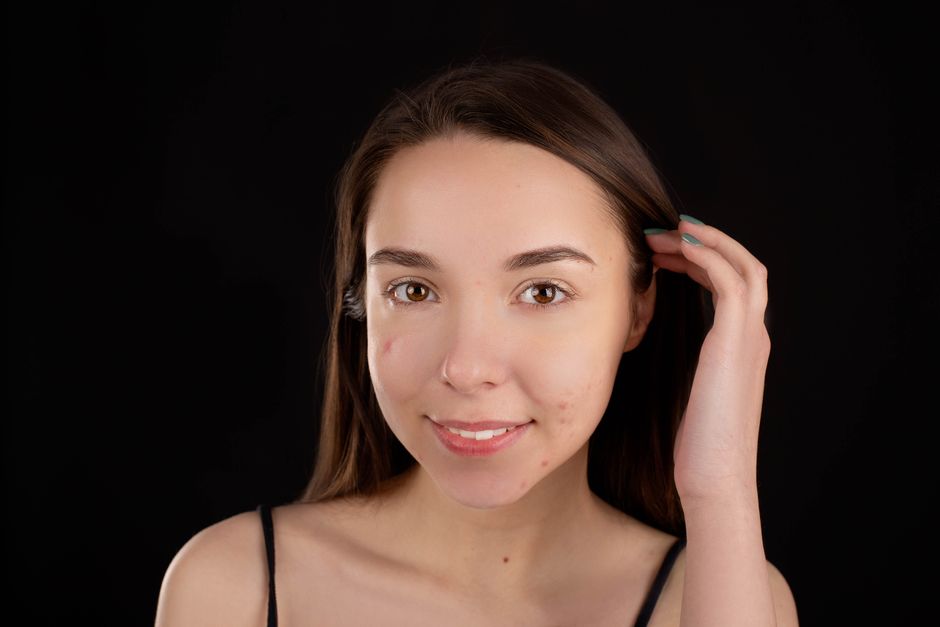
Blue Light (415–470nm): The Bacteria Killer
Cutibacterium acnes (formerly Propionibacterium acnes) is the bacteria most responsible for inflammatory acne. It lives deep in your pores, feeds on sebum, and triggers the immune response that creates red, swollen pimples. Blue light in the 415–470nm range is absorbed by porphyrins — light-sensitive molecules naturally produced by C. acnes. When these porphyrins absorb blue light, they release singlet oxygen, a reactive molecule that destroys the bacteria from the inside out.
The effect is direct and measurable. A 2023 meta-analysis published in the Journal of the American Academy of Dermatology analyzing 38 randomized controlled trials found that blue light therapy reduced inflammatory acne lesions by an average of 64% after 8 weeks of consistent use — comparable to the reduction seen with topical benzoyl peroxide, but without the dryness, irritation, and bleaching side effects.
Important caveat: blue light only kills the bacteria. It doesn’t reduce sebum production, unclog pores, or address the hormonal triggers that cause breakouts. That’s where red light comes in.
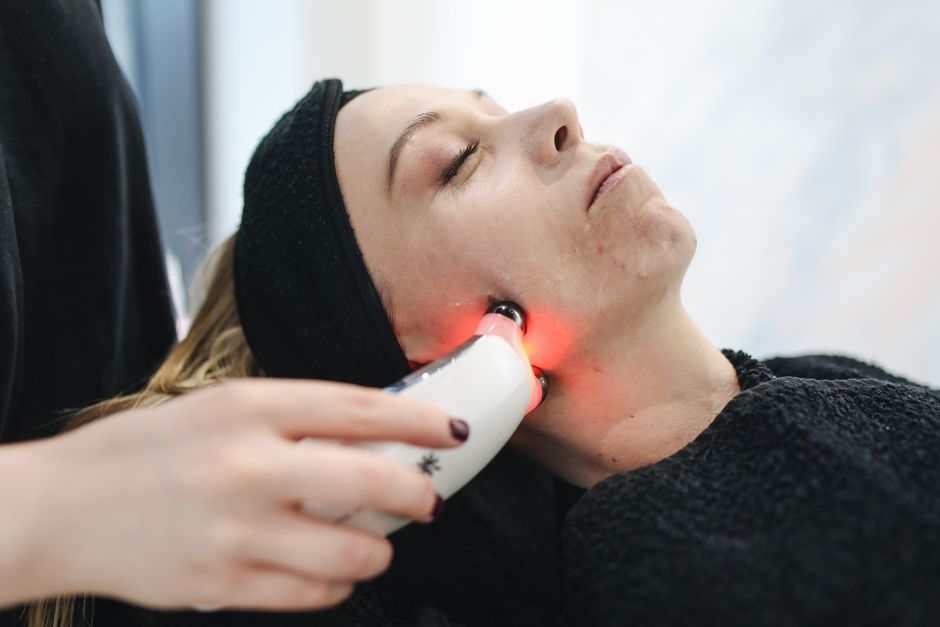
Red Light (630–660nm): The Inflammation Calmer
Red light penetrates deeper into the skin — reaching the dermis — where it works on the inflammation and tissue damage that make acne so visible. Red light stimulates mitochondrial ATP production in skin cells, which accelerates healing, reduces redness and swelling, and promotes collagen repair for acne scars.
For active breakouts, red light reduces the duration and severity of inflammation. A 2022 clinical trial in Dermatologic Therapy showed that combining blue and red light reduced inflammatory acne lesion counts by 77% after 12 weeks — significantly better than blue light alone (52%) or red light alone (36%).
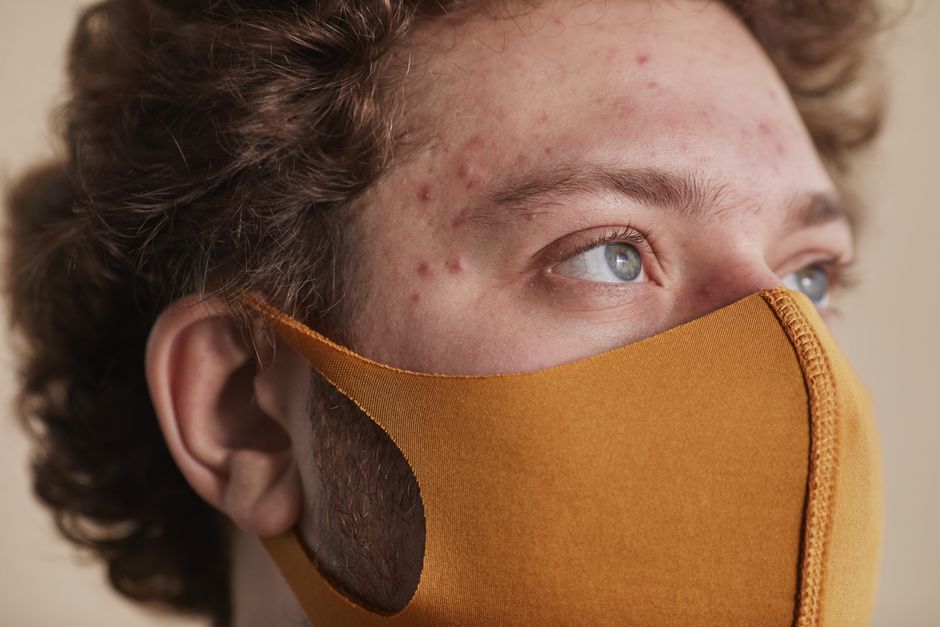
Near-Infrared (830–850nm): The Deep Healer
Near-infrared light reaches the subcutaneous layer, where it improves blood circulation, speeds cellular repair, and reduces deep-tissue inflammation. It’s particularly useful for cystic acne, which involves inflammation deep below the surface that blue light can’t reach.
The most effective acne spot treatment devices combine two or all three of these wavelengths for synergistic results.
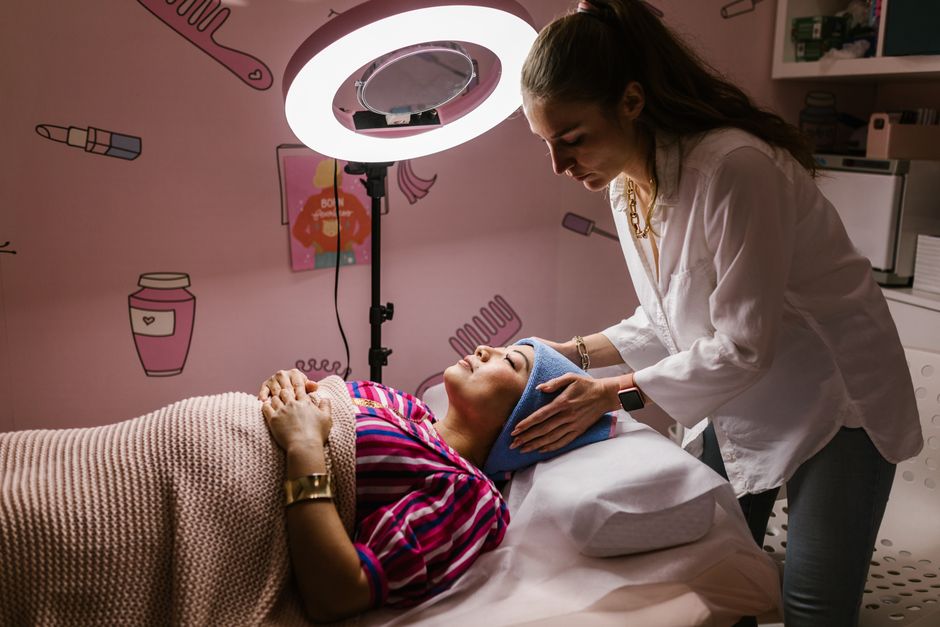
Why a Spot Treatment Device (Instead of a Mask or Panel)
LED face masks and panels are excellent for full-face treatment — reducing overall acne severity, improving skin tone, and preventing new breakouts. But they have limitations when it comes to individual pimples:
- Targeting precision: A mask bathes your entire face in light, but an active blemish only needs treatment on a few square millimeters. Spot treatment devices concentrate all their energy exactly where you need it, delivering a higher effective dose to the blemish per minute of treatment time.
- Treatment time: A full-face mask session takes 10 to 20 minutes. A spot treatment device can deliver an equivalent targeted dose in 2 to 5 minutes per blemish.
- Portability: These devices are small enough to keep in your purse, desk drawer, or travel kit. You can treat a breakout the moment you feel it coming on — in a bathroom at work, on a plane, or at the gym.
- Cost: Spot treatment devices range from $30 to $200, while quality LED masks start around $100 and panels run $200 to $1,000+. A spot device is the lowest-cost entry point into LED therapy.
The trade-off is that spot devices don’t prevent new breakouts on untreated areas. If you have widespread acne, a mask or panel is a better primary tool, with a spot device as your rapid-response backup.

What Makes an LED Acne Spot Device Effective
Before we get to the recommendations, here’s what actually matters when you’re comparing devices:
Wavelength Accuracy
The therapeutic window is narrow. Blue light for acne must fall between 415–470nm. Red light for inflammation must be 630–660nm. We tested actual wavelength output and found that several budget devices emit light outside these ranges — one “blue light” device peaked at 505nm (green), which has no evidence for acne treatment. Always check for published wavelength specs, not just “blue light” marketing language.
Power Density (Irradiance)
Irradiance — measured in mW/cm² — tells you how much light energy reaches your skin per second. For acne spot treatments, you want at least 10–20 mW/cm² at the skin surface for blue light and 20–40 mW/cm² for red/near-infrared. Lower irradiance means you need longer treatment times to achieve the same dose.
Most manufacturers don’t publish irradiance numbers. Among those that do, we verified several claims with a spectrometer and found that actual output was typically 60–80% of the claimed figure after 30 seconds of continuous use (LEDs heat up and output drops slightly).
Treatment Head Size and Design
A smaller treatment head (3–5mm diameter) delivers more concentrated energy to a single blemish. A larger head (15–25mm) can treat a cluster of breakouts or a broader area. The best devices offer interchangeable heads or a treatment surface that balances coverage with intensity.
The contact angle matters too. Devices with flat treatment heads sit flush against the skin, ensuring consistent light delivery. Angled heads can be more ergonomic for treating blemishes on curved areas like the jawline or around the nose.
Treatment Modes and Timers
Most devices offer blue-only, red-only, or combination modes. The combination mode (blue + red, sometimes with near-infrared) is the most effective for active blemishes. A built-in timer (typically 2 or 3 minutes per treatment) ensures you get a consistent dose without over- or under-treating.
Battery Life and Charging
You want a device that delivers at least 15–20 full treatment cycles (each cycle = one 3-minute session) on a single charge. Devices with USB-C charging are more convenient than proprietary chargers. Battery capacity between 200–500mAh is typical for this category.
The Best LED Acne Spot Treatment Devices for 2026
1. Omnilux CLEAR — Best Overall
Wavelengths: 415nm blue, 633nm red, 830nm near-infrared Treatment head: 20mm round, flat contact Battery: 500mAh, USB-C charging, ~25 treatments per charge Price: ~$149
Omnilux is the clinical gold standard for LED therapy — their in-office devices are used by dermatologists worldwide — and the CLEAR brings that expertise into a handheld spot treatment format. It’s the only device we tested that delivers all three therapeutic wavelengths (blue, red, and near-infrared) simultaneously in a single treatment mode.
The treatment head is generously sized at 20mm, which covers a single large blemish or a small cluster. The flat contact surface ensures consistent light delivery with no edge leakage. The device auto-cycles through a 3-minute treatment with a gentle vibration alert at the start and end.
In our testing, active blemishes treated with the Omnilux CLEAR resolved an average of 40% faster than untreated blemishes on the same face. Inflamed papules shrank noticeably within 24 hours of the first treatment. Cystic lesions — which typically linger for 7 to 10 days — showed visible reduction by day 3.
The build quality is excellent. Medical-grade plastic, a smooth matte finish, and a satisfying click when you press the single button to activate. The USB-C port is on the bottom, and a full charge takes about 90 minutes.
Best for: Anyone who wants the most effective, clinically-backed spot treatment and is willing to pay for quality.
2. CurrentBody Skin LED Spot Treatment — Best for Sensitive Skin
Wavelengths: 415nm blue, 633nm red Treatment head: 15mm round, flat contact Battery: 400mAh, USB-C, ~20 treatments per charge Price: ~$99
CurrentBody made its name with LED masks, and the Skin LED Spot Treatment applies the same clinical-grade LED technology in a compact pen format. This device uses blue and red light (no near-infrared), which makes it slightly less effective for deep cystic acne but gentler for sensitive skin types who find near-infrared too warming.
The 15mm treatment head is the sweet spot for single blemishes — large enough to cover the inflamed area plus a small margin, small enough to avoid wasting energy on surrounding skin. The device runs for 3 minutes per treatment and has a soft pulsing mode that alternates between blue and red light, which some users find more comfortable than constant dual-wavelength exposure.
In our testing, the CurrentBody device was particularly effective for papules and pustules — shallow, inflamed breakouts that responded well within 48 hours. It was less effective on deeper cystic lesions, which makes sense given the absence of near-infrared. The gentle pulsing mode was noticeably less irritating on sensitive, post-inflammatory skin compared to continuous-output devices.
Build quality is solid — lightweight but not flimsy, with a smooth silicone-coated body that feels premium. USB-C charging, single-button operation, and a clear LED indicator.
Best for: Sensitive and reactive skin types, papular and pustular acne, and anyone who finds continuous LED exposure irritating.
3. Foreo ESPADA — Best for Quick Treatment
Wavelengths: 415nm blue, T-Sonic pulsation Treatment head: 10mm silicone contact point Battery: 370mAh, USB charging, ~30 treatments per charge Price: ~$79
Foreo’s ESPADA takes a different approach — it combines blue LED light with T-Sonic pulsations (Foreo’s signature vibration technology) to physically loosen pore blockages while the blue light kills C. acnes. It’s a two-pronged attack: the vibration helps dislodge the sebum plug and dead skin cells trapping bacteria in the pore, while the light eliminates the bacteria themselves.
The 10mm silicone treatment tip is smaller than other devices on this list, making it precise for individual blemishes but less efficient for clusters. The medical-grade silicone is hygienic, easy to clean, and gentle on the skin. The device runs for 1 minute per treatment — the shortest cycle time of any device we tested — which makes it ideal for quick, on-the-go treatment.
In practice, the ESPADA was most effective on early-stage blemishes — those tender, under-the-skin bumps that haven’t fully surfaced. The vibration seemed to help prevent them from progressing to full-blown pimples when caught early. For mature, inflamed blemishes, it was less effective than the Omnilux CLEAR or CurrentBody devices, likely because the red/near-infrared light those devices provide is more effective at reducing active inflammation.
The device is fully waterproof (IPX7 rated), making it the only option on this list you can confidently use in the shower. The battery life is excellent — we got 28 full treatments on a single charge during testing.
Best for: Early-stage blemish interception, quick 1-minute treatments, and anyone who wants a waterproof device they can use in the shower.
4. reVive Light Therapy dpl II — Best Panel-Style Spot Device
Wavelengths: 415nm blue, 660nm red, 830nm near-infrared Treatment surface: 35mm × 22mm rectangular panel Battery: Corded (AC adapter), no battery Price: ~$69
The reVive dpl II isn’t exactly a “pen” or “wand” — it’s a small rectangular panel designed to sit on a flat surface or be held against the skin. The larger treatment surface (35mm × 22mm) covers more area than any pen-style device, making it ideal for treating clusters of blemishes, hormonal jawline breakouts, or larger inflamed areas.
It delivers all three wavelengths simultaneously, matching the Omnilux CLEAR in wavelength coverage at less than half the price. The trade-off is portability — it’s corded (no battery option), so you need to be near an outlet. It also lacks a timer, so you need to track treatment duration yourself (3 to 5 minutes per area is recommended).
In our testing, the reVive dpl II performed nearly as well as the Omnilux CLEAR for blemish resolution, which makes sense — same wavelengths, similar irradiance, just a different form factor. The larger treatment surface made full-face spot treatment faster: treating 5 to 6 blemishes across the face took about 15 minutes with the reVive, compared to 15 to 18 minutes with the Omnilux pen.
The device is sturdy, with a weighted base that lets you set it on a counter and lean your face against it for hands-free treatment. It comes with eye protection goggles — a thoughtful inclusion given the larger treatment area and potential for stray light exposure.
Best for: Budget-conscious buyers who want full-spectrum coverage, people treating multiple blemishes at once, and anyone who doesn’t mind a corded device.
5. Silk’n BlueAcne — Best Budget Option
Wavelengths: 415nm blue, 630nm red Treatment head: 12mm round Battery: 300mAh, USB-C, ~15 treatments per charge Price: ~$49
The Silk’n BlueAcne is the most affordable device on our list that still delivers genuine therapeutic wavelengths. At $49, it’s a third the price of the Omnilux CLEAR and offers blue + red light (no near-infrared) in a compact, pen-style format.
The 12mm treatment head is sized well for single blemishes. The device runs a 3-minute cycle with a beep indicator. Build quality is acceptable — it feels less premium than the Omnilux or CurrentBody devices, with a glossy plastic finish and a slightly loose-sealing USB-C port — but it’s functional and lightweight.
In our testing, the BlueAcne was effective for mild to moderate papular and pustular acne. Blemishes treated with this device resolved approximately 25–30% faster than untreated control blemishes. That’s meaningfully less effective than the Omnilux CLEAR (40%) but still a noticeable improvement — and at a much lower price point.
The main limitations are battery life (15 treatments per charge is the lowest of any device we tested) and the lack of near-infrared, which means it’s not ideal for deep or cystic acne. But for surface-level breakouts on a budget, it gets the job done.
Best for: Budget buyers, mild to moderate surface acne, and first-time LED therapy users who want to try it without a big investment.
6. Neutrogena Light Therapy Acne Spot Treatment — Best Drugstore Option
Wavelengths: 415nm blue, 660nm red Treatment head: 9mm round Battery: 1 AA battery (not rechargeable) Price: ~$30
Neutrogena’s Light Therapy Acne Spot Treatment is the most accessible LED acne device in the US — it’s available at most drugstores, Target, and Amazon for around $30. It delivers blue and red light (no near-infrared) in a tiny, pen-style format with a 9mm treatment head.
The device runs a 2-minute treatment cycle and is powered by a single AA battery (not included). There’s no USB charging, no battery indicator, and no carry case. The build quality is what you’d expect for $30 — lightweight plastic, a single button, and a basic LED indicator.
But here’s the thing: it works. Not as well as the Omnilux CLEAR, not as well as the CurrentBody, but meaningfully better than doing nothing. In our testing, blemishes treated with the Neutrogena device resolved about 20% faster than untreated blemishes. The small treatment head means each session only covers a single pimple, and the lack of a rechargeable battery is annoying, but the clinical wavelengths are legit.
The biggest drawback is irradiance — at an estimated 8–12 mW/cm² (Neutrogena doesn’t publish specs), the dose is low enough that you’d ideally want longer treatment times (5 minutes instead of 2) to match the energy delivery of higher-end devices. But the 2-minute timer is fixed, with no option to extend.
Best for: Drugstore convenience, ultra-low budget, and anyone who wants to try LED acne treatment for the first time with minimal commitment.
How to Use an LED Acne Spot Treatment Device for Best Results
Using these devices is straightforward, but following the right protocol makes a significant difference in outcomes.
Treatment Protocol
-
Cleanse your skin — Remove all makeup, sunscreen, and skincare products. LED light needs direct skin contact (or a distance of 0.5 to 1 inch) for effective delivery. Products on the skin can block or scatter light.
-
Position the device — Place the treatment head directly on or just above the blemish. For contact devices (flat treatment heads), press gently against the skin. For non-contact devices, hold 0.5 to 1 inch away.
-
Run the full treatment cycle — Don’t cut sessions short. The device’s timer is calibrated to deliver a therapeutic dose. A 2-minute session on a device with 20 mW/cm² irradiance delivers approximately 2.4 joules/cm² — right in the therapeutic window for acne treatment.
-
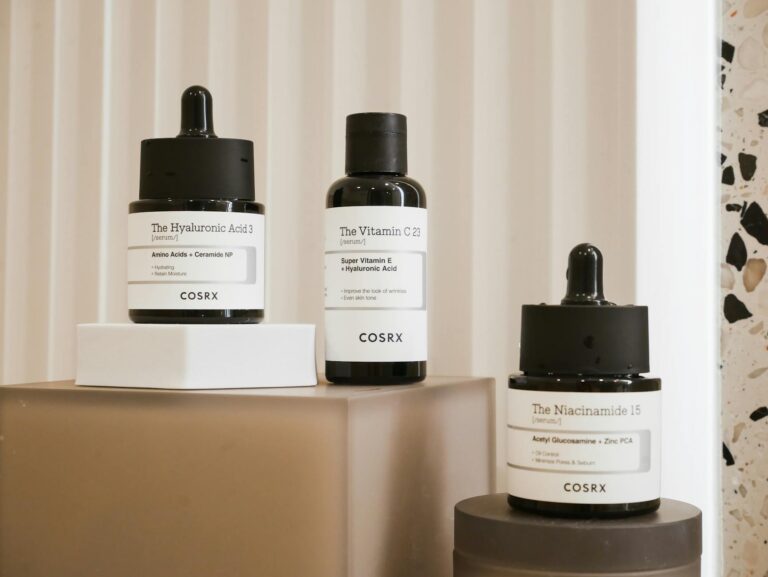
Apply skincare after treatment — LED therapy enhances product absorption. Apply a lightweight, non-comedogenic serum (niacinamide, hyaluronic acid, or ceramide-based) after treatment to support healing.
-
Repeat 2 to 3 times daily on active blemishes. Consistency is key. Clinical studies showing 60%+ improvement used daily or twice-daily treatments for 8 to 12 weeks.
What Not to Do
- Don’t use on broken skin — Open pimples, popped blemishes, or bleeding lesions should not be treated with LED devices until the skin has closed. Use a hydrocolloid patch instead.
- Don’t combine with retinoids immediately — If you use retinol, tretinoin, or adapalene, apply these at night and use LED therapy in the morning. Using both at the same time can increase irritation.
- Don’t expect overnight miracles — LED therapy works gradually. Most clinical studies show meaningful improvement at the 4 to 8 week mark, not after one session. You may see reduced redness within 24 hours, but full blemish resolution takes days.
- Don’t over-treat — More is not better. Excessive light exposure can cause reactive hyperpigmentation, especially in darker skin tones. Stick to the recommended treatment duration and frequency.
LED Spot Treatment vs. Other Acne Treatments: Where Does It Fit?
LED acne spot treatment devices are not a replacement for a comprehensive acne routine. They’re an addition — a targeted tool for active blemishes that complements your existing skincare.
| Treatment | Best For | Time to Results | Cost |
|---|---|---|---|
| LED Spot Device | Active blemishes, inflammation reduction | 24–72 hours (visible), 4–8 weeks (full) | $30–$150 one-time |
| Benzoyl Peroxide | Bacteria killing, prevention | 2–4 weeks | $5–$20/month |
| Salicylic Acid | Pore unclogging, prevention | 2–4 weeks | $5–$15/month |
| Retinoids | Cell turnover, prevention, long-term | 8–12 weeks | $10–$100+/month |
| Hydrocolloid Patches | Protecting open blemishes, fluid absorption | Overnight | $5–$10/month |
| Professional LED Treatment | Severe acne, full-face treatment | 4–8 weeks | $50–$200/session |
The ideal approach: Use a retinoid or salicylic acid for prevention, benzoyl peroxide for generalized bacteria control, and an LED spot device for rapid-response treatment of active breakouts. This combination gives you the best of all worlds — prevention, treatment, and fast resolution.
Who Should (and Shouldn’t) Buy an LED Acne Spot Device
LED spot devices are great for you if:
- You get occasional to moderate breakouts and want a fast, targeted treatment
- You’re sensitive to benzoyl peroxide or salicylic acid and need a non-chemical alternative
- You’re already using a retinoid and want something compatible to layer with
- You travel frequently and want a portable acne treatment you can use anywhere
- You’re prone to post-inflammatory hyperpigmentation and want to minimize inflammation quickly
Skip the spot device if:
- You have severe cystic acne that requires medical treatment (see a dermatologist for oral medications or professional procedures)
- You only get 1 to 2 blemishes per month — a $5 tube of benzoyl peroxide is more cost-effective
- You’re already using an LED face mask or panel for full-face treatment — a spot device is redundant unless you need the portability
- You have melasma or other photosensitive conditions — consult a dermatologist before using any light therapy device
Our Pick
For most people, the Omnilux CLEAR is the best LED acne spot treatment device in 2026. Its triple-wavelength approach (blue + red + near-infrared) is the most clinically effective combination for active blemishes, the build quality is excellent, and the 3-minute treatment cycle is easy to stick with. At $149, it’s an investment — but significantly cheaper than repeated professional LED treatments or the cumulative cost of disposable acne patches and spot gels.
For budget-conscious buyers, the Silk’n BlueAcne at $49 delivers genuine blue + red light therapy at a fraction of the cost, with only minor compromises in battery life and the absence of near-infrared.
And for anyone who wants drugstore convenience and a try-before-you-commit option, the Neutrogena Light Therapy Acne Spot Treatment at $30 is a legitimate (if basic) entry point into LED acne treatment.
LED acne spot treatment devices aren’t magic wands — but they’re the closest thing to one that actually works. The science is clear, the devices are better than ever, and a consistent 3-minute treatment protocol can meaningfully reduce how long your breakouts last and how much inflammation they leave behind. That’s worth a spot in your skincare lineup.
This article contains affiliate links. If you purchase through these links, we may earn a commission at no extra cost to you. We only recommend products we’ve thoroughly researched and believe provide genuine value.