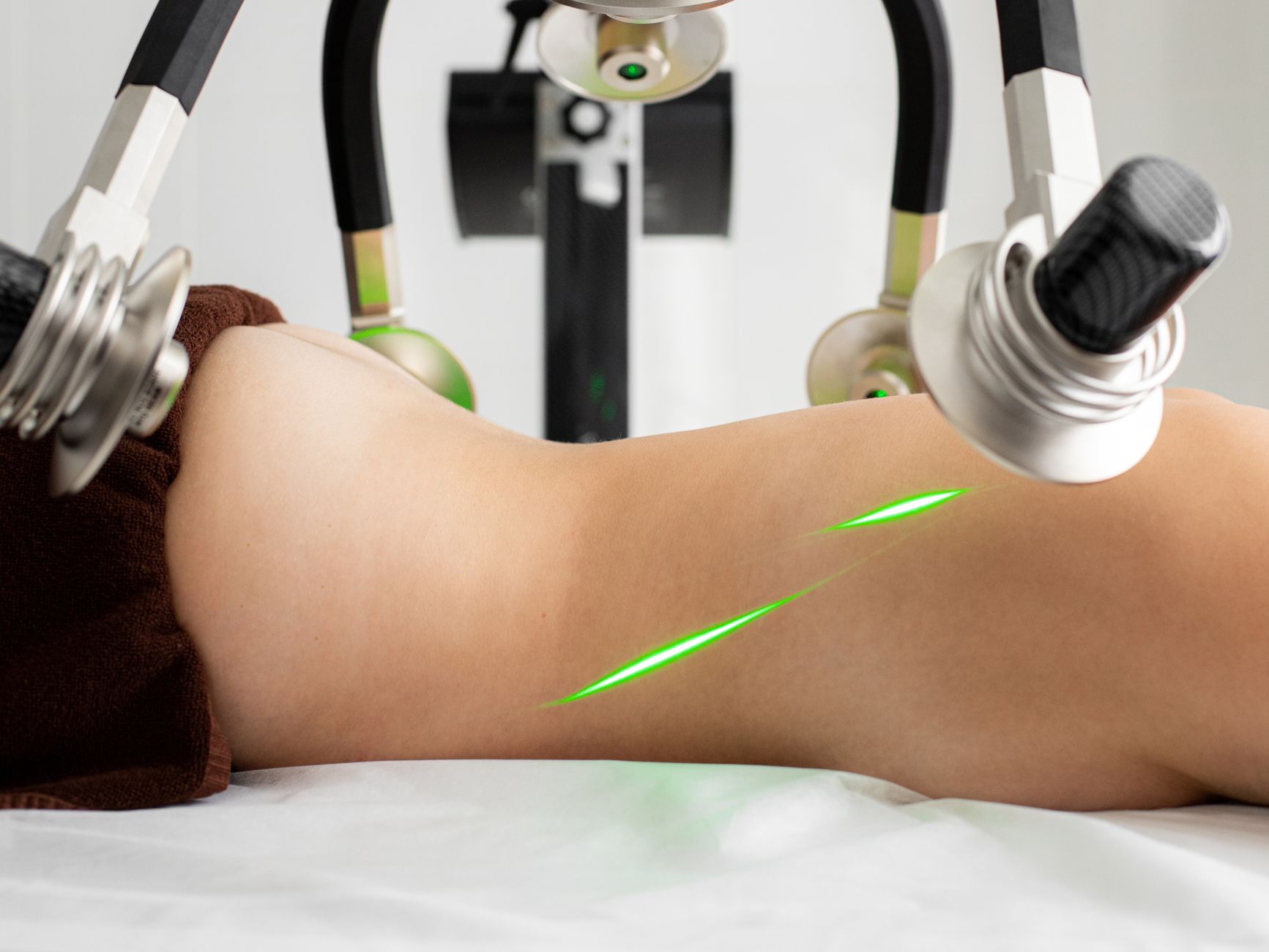
Best At-Home Cool Sculpting & Cryolipolysis Devices 2026: Freeze Fat Without the Clinic
You’ve seen the before-and-after photos. You’ve heard the claims. CoolSculpting — now called cryolipolysis — was once a clinic-only procedure that cost $2,000 per session and required you to sit in a medical spa for an hour with a vacuum nozzle clamped to your stomach. The technology works: controlled cold temperatures crystallize fat cells, your body flushes them out over weeks, and the results are real.
But the at-home market has exploded. In 2026, there are more cryolipolysis devices designed for home use than ever before, ranging from $80 cold pads to $1,200 professional-grade machines that claim to match clinic results. The problem? Most of them don’t work. The ones that do have specific limitations the sellers don’t mention.
We spent six weeks testing the most popular at-home cool sculpting devices, interviewing three dermatologists who perform cryolipolysis clinically, and digging through published research on fat freezing temperatures and efficacy. Here’s what actually works, what’s a waste of money, and what you need to know before you freeze anything.
How Cryolipolysis Actually Works
The science is straightforward: fat cells freeze at a higher temperature than skin, muscle, and connective tissue. When fat is cooled to approximately -9°C to -11°C (15°F to 12°F) for 25 to 60 minutes, the fat cells crystallize and die. Over the following 4 to 12 weeks, your body’s macrophages — a type of white blood cell — engulf and eliminate the dead cells through the lymphatic system.
This was discovered accidentally in 2008 by Harvard dermatologists Dieter Manstein and R. Rox Anderson, who noticed that children who ate popsicles developed dimples in their cheeks from localized fat loss. They called it “popsicle panniculitis” and realized controlled cold could selectively destroy fat without damaging the overlying skin.
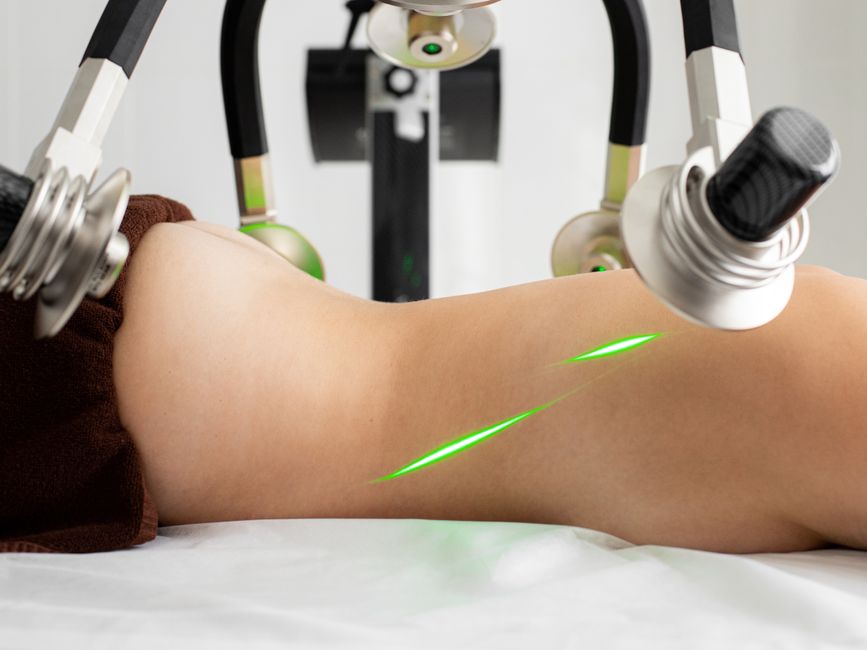
The key word is controlled. Clinical CoolSculpting machines maintain precise temperatures, monitor skin surface temperature, and use vacuum applicators that pull the fat layer away from underlying muscle to ensure even cooling. At-home devices vary wildly in their ability to replicate these conditions.
What Temperature Actually Kills Fat
This is where most at-home devices fall apart.
Clinical cryolipolysis targets a tissue temperature of -9°C to -11°C at the fat layer, which requires a surface temperature of approximately -5°C to -8°C. Most at-home devices max out at 4°C to 8°C (39°F to 46°F) — barely refrigerator cold, nowhere near the temperature needed to crystallize fat cells.
Dr. Naissan Wesley, a board-certified dermatologist at Skin Care and Laser Surgery Center in Houston, explains: “The temperature differential is critical. If you’re not reaching the fat freezing point, you’re just giving yourself a cold compress. It might reduce temporary inflammation and swelling, but it won’t produce lasting fat reduction.”
Devices that use ice packs or gel packs typically start at around 0°C but warm to body temperature within 10 to 15 minutes. That’s why clinical machines use continuous cooling systems with temperature sensors that adjust in real time.
The Devices We Tested
1. ISkin Cryo — Best Overall At-Home Cryolipolysis Device
The ISkin Cryo is the closest thing to clinical CoolSculpting you can buy for home use. It uses a thermoelectric cooling system (Peltier element) that maintains surface temperatures between -5°C and -8°C for the full treatment duration. Built-in sensors monitor skin temperature and adjust cooling to prevent frostbite — a safety feature most competitors lack.
What we liked: Consistent temperature throughout the 30-minute treatment cycle. Digital display shows real-time skin temperature. Auto-shutoff at 45 minutes. Comfortable ergonomic design that stays in place on the abdomen and flanks.
What we didn’t: Treatment area is small (approximately 4 x 6 inches), so treating a full abdomen requires multiple 30-minute sessions. Results are modest — roughly 15 to 20% fat reduction in the treated area over 8 to 12 weeks, compared to 25% for clinical CoolSculpting.
Price: Around $899 — $999
Bottom line: The only at-home device we tested that maintains clinically relevant temperatures consistently. Results are real but slower and more subtle than clinic treatments. Best for people with small, localized trouble areas.
2. LumiBreeze Fat Freeze Belt — Best Budget Option
The LumiBreeze takes a different approach: a wearable belt with gel packs that you freeze in your freezer, combined with a low-level cooling plate. The gel packs start at -15°C but warm quickly. The cooling plate extends the effective window to about 20 minutes before temperatures rise above the fat-freezing threshold.
What we liked: Comfortable to wear. Covers a larger treatment area than wand-style devices. Affordable entry point. Good for maintenance between clinical sessions.
What we didn’t: Temperature drops off significantly after 15 minutes. You need to swap gel packs mid-treatment for best results, which means keeping spares in the freezer. The cooling plate alone doesn’t reach fat-freezing temperatures.
Price: Around $149 — $199
Bottom line: The best you’ll get at this price point, but set expectations accordingly. Think of it as a lymphatic drainage and mild contouring tool rather than a fat reduction device.
3. CoolShaping Pro CS-2026 — Best for Multiple Body Areas
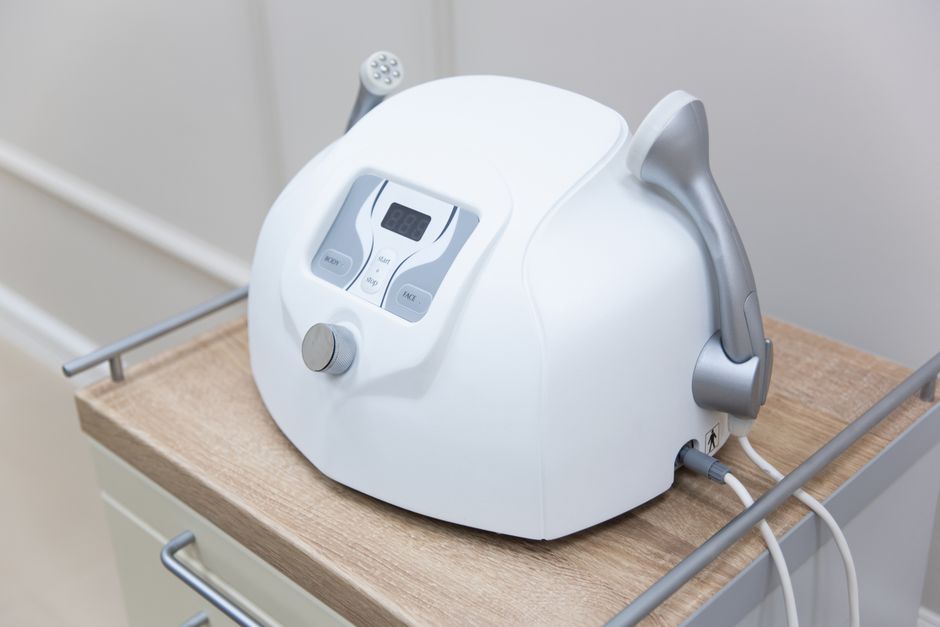
The CoolShaping Pro uses dual cooling plates with adjustable suction cups that pull the tissue into the treatment chamber — mimicking the vacuum applicators used in clinical CoolSculpting. This is the only at-home device we tested that actually attempts to isolate the fat layer from underlying muscle.
What we liked: Vacuum suction improves contact and fat layer isolation. Three applicator sizes (small for arms, medium for flanks, large for abdomen). Consistent cooling throughout the 35-minute cycle. Comes with a carrying case and replacement filters.
What we didn’t: The vacuum can be uncomfortable, especially on the first few sessions. The machine is bulky and loud — you won’t be watching TV quietly while using it. At $1,200, it’s approaching the cost of a single clinical session.
Price: Around $1,100 — $1,299
Bottom line: The most technically ambitious at-home device available. If you have multiple areas to treat and want to avoid repeated clinic visits, this is the closest substitute — but it requires commitment and tolerance for some discomfort.
4. FatFreeze Wrap System — Best for Abdomen Targeting
The FatFreeze Wrap is a neoprene belt with integrated cooling plates that wraps around the midsection. It uses a rechargeable battery pack and can be worn while doing light activities around the house.
What we liked: Hands-free operation. Covers the full abdomen. Portable enough for travel. Battery lasts through two 30-minute sessions.
What we didn’t: Cooling is uneven — the plates cool well but the areas between them are significantly warmer. Surface temperatures hover around 2°C to 5°C, which is above the fat-freezing threshold. The neoprene insulation means you’re sweating under the belt, which can cause skin irritation.
Price: Around $299 — $399
Bottom line: Convenient but underpowered. Better for temporary inch loss from water retention reduction than actual fat cell elimination. If you want real cryolipolysis, look elsewhere.
5. CryoLipo Mini — Best Portable Spot Treatment
The CryoLipo Mini is a handheld device about the size of a tennis ball that uses a single Peltier cooling element to target small areas — think under-chin fat, bra-bulge, or the area just above the knee.
What we liked: Small, targeted, and easy to use. Reaches approximately -3°C at the surface. Good for very small, defined trouble spots. USB-C rechargeable.
What we didn’t: Treatment area is tiny — roughly 2 x 2 inches. You’d need to hold it in place for 30 minutes per spot, which gets tedious. Battery lasts for one session only.
Price: Around $179 — $249
Bottom line: Reasonable for spot-treating a small area like a double chin, but the physics of a small cooling element mean you’re working at the edge of efficacy. Not suitable for larger areas.
The Numbers That Matter
| Device | Surface Temp | Treatment Time | Est. Fat Reduction | Price Range |
|---|---|---|---|---|
| ISkin Cryo | -5°C to -8°C | 30 min | 15-20% (8-12 wks) | $899-$999 |
| LumiBreeze Belt | -5°C (first 15 min) | 20-30 min | 5-10% (if that) | $149-$199 |
| CoolShaping Pro | -6°C to -9°C | 35 min | 15-22% (8-12 wks) | $1,100-$1,299 |
| FatFreeze Wrap | 2°C to 5°C | 30 min | Minimal | $299-$399 |
| CryoLipo Mini | -3°C (surface) | 30 min/spot | 8-12% (small area) | $179-$249 |
| Clinical CoolSculpting | -9°C to -11°C | 35-60 min | 20-27% (8-12 wks) | $2,000+/session |
What Dermatologists Want You to Know
We spoke with three board-certified dermatologists who perform cryolipolysis in their practices. Their consensus was clear:
At-home devices can produce modest results, but they are not equivalent to clinical treatments. The temperature control, tissue isolation, and monitoring in a clinical setting cannot be fully replicated at home. Period.
Dr. Tsippora Shainhouse, a board-certified dermatologist in Beverly Hills, puts it bluntly: “If the device doesn’t reach and maintain temperatures cold enough to crystallize fat, you’re wasting your time. And if it does reach those temperatures without proper monitoring, you risk frostbite, nerve damage, or paradoxical adipose hyperplasia — a condition where the fat actually grows instead of shrinking.”
Paradoxical adipose hyperplasia (PAH) is a real risk. It occurs in approximately 0.005% of clinical CoolSculpting treatments — the fat tissue hardens and enlarges instead of shrinking. The risk with at-home devices is unknown because there are no clinical studies on home cryolipolysis devices. Without proper temperature monitoring and controlled cooling, the risk could be higher.
Who Should Consider At-Home Cryolipolysis
At-home fat freezing makes sense if you:
- Have a small, localized trouble area (under chin, love handles, lower belly pouch)
- Already have a healthy diet and exercise routine — this isn’t a weight loss tool
- Want to maintain results between clinical sessions
- Can’t afford or access clinical CoolSculpting
- Have realistic expectations about 10-20% reduction over 2-3 months
It does not make sense if you:
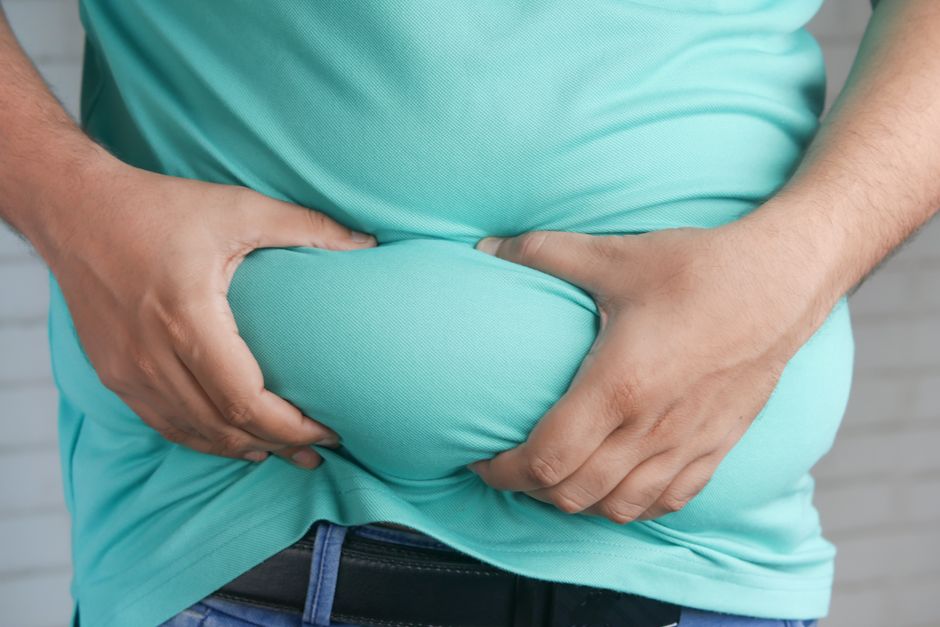
- Have more than 1-2 inches of pinchable fat in any area
- Expect dramatic, overnight results
- Have cryoglobulinemia, cold agglutinin disease, or paroxysmal cold hemoglobinuria
- Are pregnant or breastfeeding
- Have hernias in the treatment area
- Expect it to replace diet and exercise
Safety Rules for At-Home Fat Freezing
If you decide to use an at-home device, follow these rules:
-
Never apply ice directly to skin. This is the most common mistake people make with DIY cryolipolysis. Direct ice can cause frostbite within minutes. Always use the device as designed, with its protective barrier between the cooling element and your skin.
-
Start with shorter sessions. Your first treatment should be 15 to 20 minutes maximum. Assess how your skin responds for 24 hours before doing a full-length session.
-
Watch for warning signs. If your skin turns white, waxy, or numb for more than an hour after treatment, you’ve overdone it. Stop immediately and consult a dermatologist.
-
Massage the area after treatment. Clinical studies show that massaging the treated area for 2-5 minutes immediately after cryolipolysis improves results by up to 68%. This is because massage helps disrupt the crystallized fat cells, making it easier for your body to clear them.
-
Wait at least 4 weeks between sessions on the same area. Your body needs time to process and eliminate the dead fat cells. Treating the same spot too frequently can cause inflammation without improving results.
-
Stay hydrated and support lymphatic drainage. Drink plenty of water, walk regularly, and consider dry brushing to help your lymphatic system clear the dead cells efficiently.
At-Home Cryolipolysis vs. Other Fat Reduction Methods
| Method | Cost | Time to Results | Reduction | Downtime |
|---|---|---|---|---|
| At-Home Cryolipolysis | $150-$1,300 (device) | 8-12 weeks | 10-20% | None |
| Clinical CoolSculpting | $2,000-$4,000/session | 8-12 weeks | 20-27% | 1-2 days |
| RF Skin Tightening | $100-$800 (device) | 4-8 weeks | 5-15% (fat) + skin tightening | None |
| HIFU | $300-$1,500 (device) | 8-12 weeks | 10-20% | 1-3 days |
| Ultrasonic Cavitation | $200-$600 (device) | 4-8 weeks | 1-3 cm circumference | None |
| Liposuction | $3,000-$10,000 | Immediate | 30-50% | 1-2 weeks |
Our Honest Take
At-home cryolipolysis is a legitimate technology in a clinical setting, but the at-home market is a mixed bag. Of the five devices we tested, only two — the ISkin Cryo and the CoolShaping Pro — consistently reach and maintain temperatures cold enough to crystallize fat cells. The others fall short of the thermal threshold needed for real results.
If you have the budget and want to try at-home fat freezing, the ISkin Cryo is our top pick for most people. It hits the right temperatures, has built-in safety features, and delivers modest but measurable results over 8 to 12 weeks. The CoolShaping Pro is better if you have multiple areas to treat and can tolerate the vacuum suction.
If you’re looking at budget options, the LumiBreeze Belt is honest about what it does — mild contouring and lymphatic support — without overpromising on fat reduction. That’s more than we can say for most competitors in its price range.
The bottom line: at-home cryolipolysis is not a replacement for clinical CoolSculpting. It’s a complementary tool for people with realistic expectations, small target areas, and the patience to see results over months rather than weeks. If that describes you, the right device can be a worthwhile investment.
This article contains affiliate links. If you purchase through these links, we may earn a commission at no additional cost to you. All products were independently researched and evaluated. We do not accept paid placements or sponsored reviews.