Best At-Home Laser Skin Rejuvenation Devices in 2026: 7 Dermatologist-Recommended Picks
Best At-Home Laser Skin Rejuvenation Devices in 2026: 7 Dermatologist-Recommended Picks
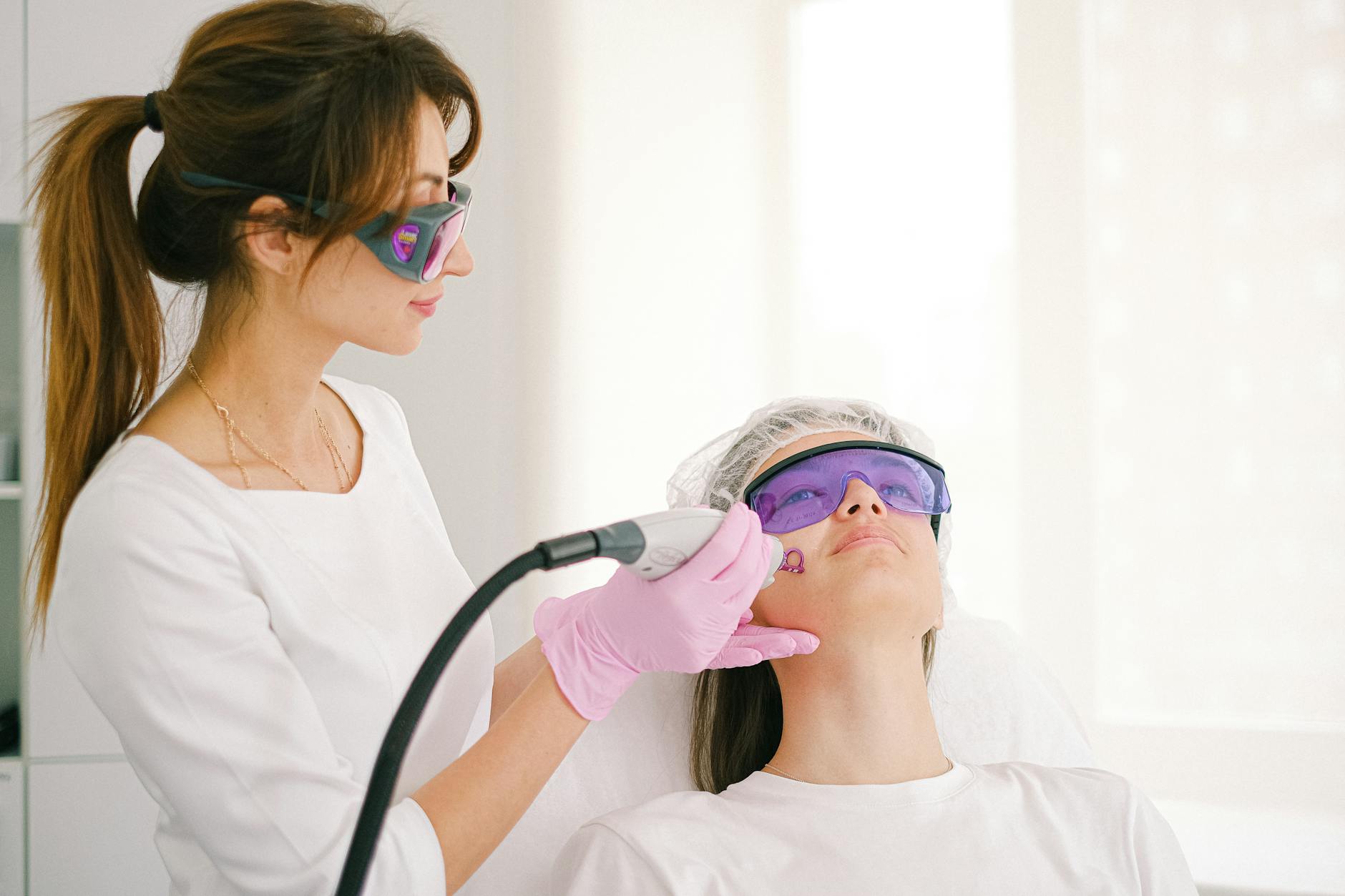
If you’ve been eyeing professional laser treatments but cringe at the $1,000+ price tags and multiple office visits, you’re not alone. The good news? At-home laser skin rejuvenation devices have come a long way — and in 2026, the technology is closer to clinical-grade than ever before.
From non-ablative fractional lasers that stimulate collagen deep within the dermis to advanced DPL photofacial devices that target pigmentation and redness, today’s best at-home laser skin rejuvenation devices deliver real, visible results. We’ve researched, compared, and consulted dermatologist recommendations to bring you the 7 best at-home laser skin resurfacing devices worth your investment in 2026.
Quick note: All devices featured in this guide are FDA-cleared or CE-marked for home use. While at-home lasers are lower-powered than professional devices, clinical studies consistently show they can meaningfully reduce fine lines, improve skin texture, and boost collagen production with consistent use over 8–12 weeks.
How At-Home Laser Skin Rejuvenation Works
Before we dive into product picks, let’s quickly cover the science. At-home laser devices use focused light energy to penetrate the skin’s surface and stimulate the body’s natural healing response. This triggers collagen and elastin production — the building blocks of firm, youthful skin.
There are two main types you’ll encounter:
- Non-ablative fractional lasers — These create microscopic columns of heat in the dermis without damaging the surface. They’re the most common type in fractional laser for home use devices and offer zero downtime.
- DPL (Dynamic Pulsed Light) devices — These combine laser and intense pulsed light technology to target pigmentation, redness, and uneven skin tone while promoting overall skin rejuvenation.
The key difference between at-home and in-office lasers is power output. Professional devices operate at much higher energy levels, which is why they require trained practitioners. At-home devices are engineered with safety limiters while still delivering enough energy to produce results — it just takes a bit longer and requires consistent use.
Quick Comparison: Best At-Home Laser Skin Rejuvenation Devices 2026
| Device | Technology | Best For | Treatment Time | FDA Cleared | Price Range |
|---|---|---|---|---|---|
| LYMA Laser Starter Kit | 808nm Continuous Laser | Premium anti-aging | 10–15 min/day | Yes | $$$$ |
| NIRA Precision Laser | 1450nm Non-Ablative | Fine lines & wrinkles | 2 min/day | Yes | $$ |
| Tria SmoothBeauty Laser | Non-Ablative Fractional | Full-face resurfacing | 2–3 min/day | Yes | $$ |
| Tria Eye Wrinkle Laser | Non-Ablative Fractional | Eye area wrinkles | 2 min/day | Yes | $$ |
| JOVS Blacken PRO | DPL Photofacial | Pigmentation & spots | 10–15 min/session | CE Marked | $$$ |
| Silk’n Titan Multiplatform | RF + LLLT + LED | Skin tightening + laser | 15–20 min/session | Yes | $$$ |
| JOVS Blacken | DPL Photofacial | Budget skin rejuvenation | 10–15 min/session | CE Marked | $$ |
Detailed Reviews: 7 Best At-Home Laser Skin Rejuvenation Devices
1. LYMA Laser Starter Kit — Best Premium At-Home Laser
The LYMA Laser Starter Kit is the Rolls-Royce of at-home skin rejuvenation. Using a medical-grade 500mW continuous wave laser at 808nm, it’s one of the most powerful consumer laser devices on the market. Unlike pulsed devices, the LYMA delivers a continuous beam that penetrates deep into the dermis to stimulate fibroblast activity and trigger genuine collagen remodeling.
What sets LYMA apart is its diffused laser technology — the beam is spread over a larger area, making it completely painless and safe for all skin types and tones. The starter kit includes the laser device, a 30-day supply of LYMA Mist and LYMA Glide (conduction gels that enhance laser penetration), a travel pouch, and USB charger.
Dermatologists particularly like this device because the 808nm wavelength has extensive clinical backing for deep tissue stimulation. Most users report visible improvement in skin firmness and fine lines within 8–12 weeks of daily use.
Pros:
- Medical-grade 500mW continuous laser — most powerful in its class
- Completely painless and heatless
- Works on all skin types and tones
- Can be used on face and body
- Backed by multiple clinical studies
Cons:
- Premium price point (significant investment)
- Requires ongoing purchase of LYMA Mist and Glide for best results
- Longer treatment time (10–15 minutes per day)
- Results take 8–12 weeks of consistent use
2. NIRA Precision Laser — Best for Quick Daily Treatments
The NIRA Precision Laser is one of the most popular at-home laser skin resurfacing devices, and for good reason. It uses a patented 1450nm non-ablative laser — the same wavelength used in professional dermatology offices — to heat water molecules in the dermis, triggering your body’s natural collagen production.
What makes the NIRA special is the speed. You only need 2 minutes per day for visible results. The precision tip design lets you target specific areas like crow’s feet, forehead lines, smile lines, and lip lines with surgical accuracy. It’s FDA-cleared for wrinkle reduction and works on all skin tones.
The NIRA is an excellent entry point for anyone new to at-home laser skin rejuvenation. It’s painless (most users feel a slight warming sensation), requires no consumables, and the rechargeable battery lasts for weeks.
Pros:
- Only 2 minutes per day — fastest treatment time
- FDA-cleared 1450nm wavelength (same as professional devices)
- Completely painless
- Precision tip for targeted treatment
- No consumables or replacement parts needed
- Rechargeable with long battery life
Cons:
- Small treatment tip means longer sessions for full-face coverage
- Best for fine lines — less effective on deep wrinkles or texture issues
- Takes 90 days for optimal results
- Not ideal for body areas
3. Tria Age-Defying SmoothBeauty Laser — Best for Full-Face Resurfacing
The Tria SmoothBeauty Laser is a proven performer in the fractional laser for home use category. Tria was one of the first companies to bring professional laser technology to the consumer market, and their SmoothBeauty model is designed specifically for full-face anti-aging treatment.
This device uses non-ablative fractional laser technology — the same principle behind the professional Fraxel laser, but at lower energy levels safe for home use. The laser creates microscopic treatment zones that stimulate collagen and elastin production, gradually improving skin texture, tone, and firmness.
The SmoothBeauty features three intensity levels, letting you start low and work up as your skin acclimates. It’s cleared for use on all skin tones and types, and many users report noticeable improvements in skin smoothness and radiance within the first month.
Pros:
- Proven non-ablative fractional laser technology
- Three adjustable intensity levels
- Designed for full-face treatment
- Safe for all skin tones and types
- Quick 2–3 minute treatment sessions
- Stimulates collagen and elastin production
Cons:
- May cause mild tingling or prickling sensation at higher levels
- Battery is not replaceable
- Best results require 5 treatments per week for 12 weeks
- Treatment tip eventually needs replacement
4. Tria Beauty Age-Defying Eye Wrinkle Laser Kit — Best for Eye Area
The delicate eye area is often the first place to show signs of aging, and most devices aren’t safe to use that close to your eyes. The Tria Age-Defying Eye Wrinkle Laser Kit solves this problem. It’s one of the few FDA-cleared laser devices specifically designed and approved for use around the eyes.
This kit pairs the eye-safe non-ablative fractional laser with a nourishing Eye Renewal Cream formulated with peptides and botanical extracts that support the laser treatment. The smaller, precision-designed treatment tip allows you to safely address crow’s feet, under-eye lines, and brow area wrinkles.
Clinical trials showed that users saw visible improvement in eye area wrinkles in as little as 2 weeks, with continued improvement over the 8-week treatment period.
Pros:
- One of the only FDA-cleared lasers for the eye area
- Includes nourishing Eye Renewal Cream
- Visible results in as little as 2 weeks
- Precision tip designed for delicate areas
- Quick 2-minute daily treatments
Cons:
- Limited to eye area only — not a full-face device
- Eye cream is a consumable that needs repurchasing
- Higher per-area cost compared to full-face devices
- May feel slightly uncomfortable at higher intensity levels
5. JOVS Blacken PRO DPL Photofacial — Best for Pigmentation & Uneven Tone
If your primary concern is pigmentation, dark spots, or redness rather than wrinkles, the JOVS Blacken PRO is your device. Using Dynamic Pulsed Light (DPL) technology — which combines elements of both laser and intense pulsed light — it delivers narrow-spectrum light energy that targets melanin and hemoglobin in the skin.
The Blacken PRO features three treatment modes: BRI/PORE mode for full-face rejuvenation and pore refinement, SPOT mode for targeted pigmentation treatment, and TONE mode for overall skin tone balancing. The built-in ice-cooling contact technology keeps treatments comfortable even at higher energy levels.
This is an excellent choice for those dealing with sun damage, post-inflammatory hyperpigmentation, or overall dullness. The DPL technology is particularly effective at breaking down surface-level melanin clusters while simultaneously stimulating skin renewal.
Pros:
- Advanced DPL technology targets pigmentation effectively
- Three specialized treatment modes
- Ice-cooling contact for comfortable treatments
- Addresses both pigmentation and skin rejuvenation
- Sleek, portable design
Cons:
- Not suitable for very dark skin tones (Fitzpatrick V–VI)
- Longer treatment sessions (10–15 minutes)
- DPL is not true laser — results may be milder for deep concerns
- Requires protective eyewear during use
6. Silk’n Titan Multiplatform — Best Multi-Technology Combo Device
The Silk’n Titan Multiplatform takes a unique approach to at-home laser skin rejuvenation by combining three proven technologies in one device: bipolar radiofrequency (RF), low-level laser therapy (LLLT), and red LED light therapy.
This triple-action approach works on multiple skin layers simultaneously. The RF energy heats the deeper dermal layers to stimulate collagen contraction and new production. The LLLT (low-level laser) promotes cellular metabolism and tissue repair. And the red LED soothes inflammation while providing additional collagen stimulation.
The result is a device that addresses wrinkles, sagging, and skin tone in one treatment session. It’s cordless, FDA-cleared, and features an intelligent thermal sensor that maintains optimal treatment temperature. The Multiplatform model is the newest in the Titan lineup, with enhanced power and improved battery life over the original.
Pros:
- Triple technology: RF + low-level laser + LED
- Addresses wrinkles, sagging, AND tone simultaneously
- Cordless with 3 sessions per charge
- Smart thermal sensor prevents overheating
- FDA-cleared for safety and efficacy
- Works on face and neck
Cons:
- Requires conduction gel for RF component
- Longer treatment sessions (15–20 minutes)
- Not suitable for use around the eye area
- Moderate learning curve for optimal technique
7. JOVS Blacken DPL Photofacial — Best Budget-Friendly Option
The JOVS Blacken (standard edition) offers the same core DPL photofacial technology as its PRO sibling at a more accessible price point, making it an excellent entry into at-home laser skin resurfacing without breaking the bank.
This device features three modes for different skin concerns: brightening and pore refinement, spot targeting, and overall skin tone improvement. While it lacks the ice-cooling feature of the PRO model, most users find the treatment comfortable at the lower energy levels recommended for beginners.
The JOVS Blacken is a smart choice if you want to experiment with DPL technology before committing to a more premium device. It’s compact, portable, and delivers genuine skin rejuvenation benefits — especially for mild pigmentation, enlarged pores, and overall skin dullness.
Pros:
- Most affordable DPL device on our list
- Three treatment modes for versatile use
- Compact and portable design
- Effective for mild pigmentation and pore refinement
- Good entry-level device for beginners
Cons:
- No ice-cooling feature (available in PRO version)
- Lower power output than PRO model
- Not suitable for deep pigmentation or severe concerns
- Limited skin tone compatibility (not for very dark skin)
How to Choose the Right At-Home Laser Device
With seven excellent options on the table, here’s how to narrow down the best at-home laser skin rejuvenation device for your specific needs:
Choose Based on Your Primary Concern
- Fine lines and wrinkles: NIRA Precision Laser or Tria SmoothBeauty Laser
- Eye area aging: Tria Eye Wrinkle Laser Kit
- Pigmentation and dark spots: JOVS Blacken PRO
- Overall skin tightening + rejuvenation: Silk’n Titan Multiplatform
- Premium, comprehensive anti-aging: LYMA Laser
- Budget-friendly first device: JOVS Blacken
Consider Your Skin Type
Most non-ablative laser devices (NIRA, Tria, LYMA) work on all skin tones. DPL/IPL-based devices (JOVS) have more restrictions on darker skin tones because they target melanin. Always check the manufacturer’s skin tone guide before purchasing.
Think About Your Schedule
If you only have 2 minutes a day, the NIRA Precision Laser is your best bet. If you don’t mind longer sessions and want multi-technology benefits, the Silk’n Titan Multiplatform or LYMA Laser offer more comprehensive treatment in exchange for more time.
At-Home Laser Safety Tips
Even though these devices are designed for safe home use, following best practices ensures you get optimal results without side effects:
- Always start at the lowest intensity and increase gradually over 1–2 weeks
- Cleanse your skin thoroughly before treatment — makeup, sunscreen, and oils can block laser energy
- Avoid sun exposure for 24 hours before and after laser treatment
- Wear SPF 30+ daily when using any laser device — your skin is more sensitive to UV during treatment periods
- Don’t use on broken, irritated, or sunburned skin
- Be consistent — most devices require 5–7 treatments per week for 8–12 weeks to see meaningful results
- Take progress photos in the same lighting every 2 weeks to track changes
- Consult your dermatologist if you’re on retinoids, have active acne, or have a history of cold sores (laser treatments can trigger outbreaks)
What to Expect: Realistic Results Timeline
Managing expectations is crucial with at-home devices. Here’s a general timeline based on clinical data and user experiences:
- Weeks 1–2: Skin may feel smoother and slightly more radiant (improved cellular turnover)
- Weeks 3–4: Subtle improvements in skin texture and minor fine lines
- Weeks 6–8: Noticeable reduction in fine lines, improved skin firmness, and more even tone
- Weeks 10–12: Optimal results — visible wrinkle reduction, improved elasticity, and skin that looks and feels rejuvenated
- Ongoing: Maintenance treatments (2–3 times per week) to sustain results
Pro tip: Pair your laser device with a high-quality hyaluronic acid serum and vitamin C for enhanced results. Laser treatments increase your skin’s ability to absorb active ingredients, making your serums work harder.
Frequently Asked Questions
Are at-home laser devices safe?
Yes, when used as directed. All devices on this list are either FDA-cleared or CE-marked for home use. They operate at significantly lower power levels than professional devices, with built-in safety features to prevent overexposure.
How do at-home lasers compare to in-office treatments?
In-office lasers deliver faster, more dramatic results because they use higher energy levels. At-home devices produce gradual, cumulative improvement over weeks to months. Think of it as the difference between a one-time deep clean and a consistent daily skincare routine — both work, just on different timelines.
Can I use an at-home laser with my regular skincare routine?
Yes, but apply the laser to clean, bare skin before other products. After treatment, apply your serums and moisturizers. Avoid retinol on the same day as laser treatment, and always use sunscreen the following morning.
How long do results last?
Results are cumulative and can last months after completing an initial treatment course. However, since aging is ongoing, most dermatologists recommend continuing with maintenance sessions (2–3 times per week) to preserve your results.
Which at-home laser device is best for beginners?
The NIRA Precision Laser is the most beginner-friendly option — it’s painless, requires only 2 minutes per day, and has no consumables or complex settings to worry about. The JOVS Blacken is the best budget-friendly starter device if pigmentation is your primary concern.
Final Verdict: Our Top Picks
Choosing the best at-home laser skin rejuvenation device in 2026 comes down to your specific skin concerns, budget, and how much time you’re willing to commit to daily treatments.
- 🏆 Best Overall: NIRA Precision Laser — The perfect balance of efficacy, ease of use, and value
- 💎 Best Premium: LYMA Laser Starter Kit — Unmatched power and clinical backing for serious anti-aging
- 💰 Best Value: JOVS Blacken — Affordable DPL technology for skin rejuvenation beginners
- 👁️ Best for Eyes: Tria Eye Wrinkle Laser Kit — The gold standard for safe eye-area treatment
Whatever device you choose, remember: consistency is everything. The best at-home laser is the one you’ll actually use every day. Start with a device that fits your routine, commit to the recommended treatment schedule, and give it a full 12 weeks before judging your results. Your future, more youthful-looking skin will thank you.
Disclosure: This article contains affiliate links. If you purchase through our links, we may earn a small commission at no extra cost to you. We only recommend products we’ve thoroughly researched and believe in.