Best At-Home Teeth Whitening Devices 2026: LED Kits, Pens, and Strips That Actually Work
The At-Home Whitening Market Has Changed
Professional teeth whitening at a dentist used to be the only option that worked. You’d pay $400–$1,500, sit in a chair for an hour, and walk out with sensitive teeth and a lighter smile. The drugstore alternatives — whitening strips and baking-sodium toothpaste — barely moved the needle.
That equation shifted in 2024 when the FDA cleared the first generation of at-home LED whitening kits for over-the-counter sale. By 2026, the category has exploded. The global at-home teeth whitening market is projected to hit $7.4 billion by 2027, according to Grand View Research, and the device segment is the fastest-growing piece.
But here’s the problem: the market is packed with junk. Cheap LED mouthpieces with batteries that die in a week. Whitening gels sold at concentrations that do nothing. Kits that are literally just strips repackaged with a blue light. We cut through the noise.
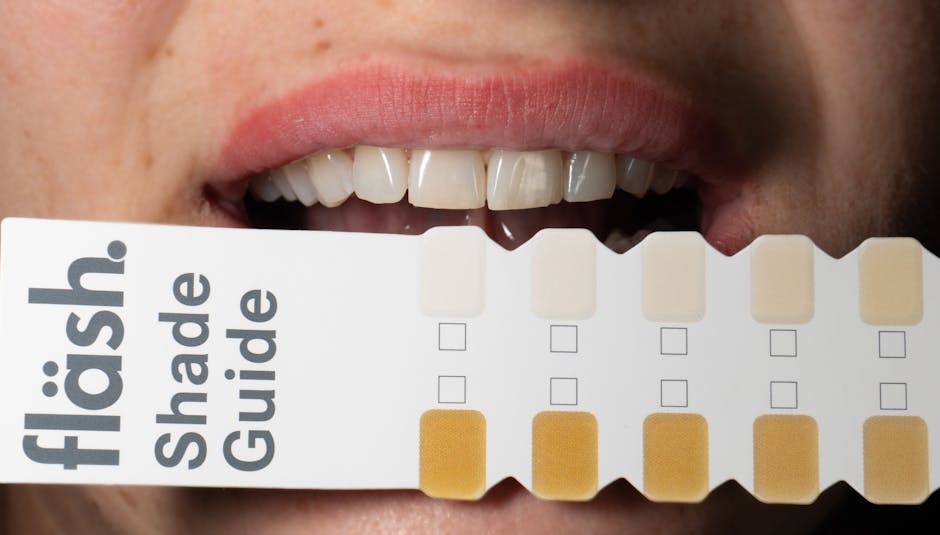
How At-Home Teeth Whitening Actually Works
Before you spend a dime, understand the science:
Hydrogen peroxide and carbamide peroxide are the only two active ingredients that whiten teeth. Everything else — charcoal, baking soda, coconut oil — is cosmetic at best. The peroxide penetrates enamel and oxidizes stain molecules, breaking them down and making them colorless.
Concentration matters. Dentist-office treatments use 15–43% hydrogen peroxide. Over-the-counter gels max out at 6–10% hydrogen peroxide (or 16–22% carbamide peroxide, which breaks down to roughly 6–8% hydrogen peroxide). Lower concentrations work, but they need more time.
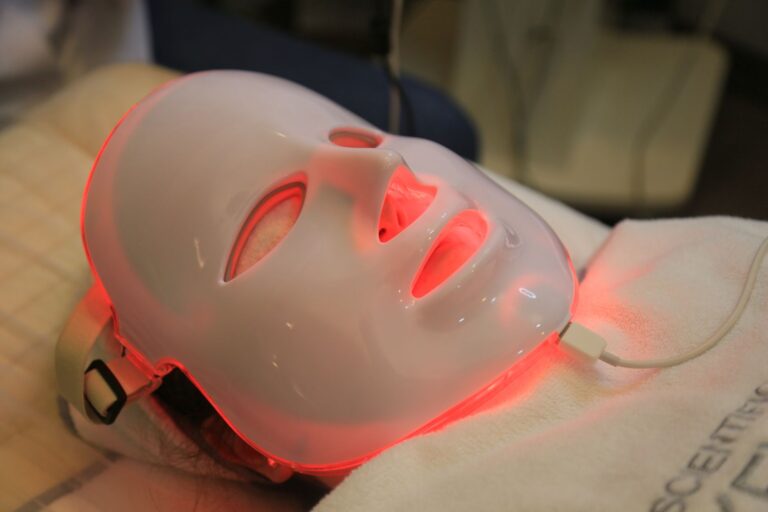
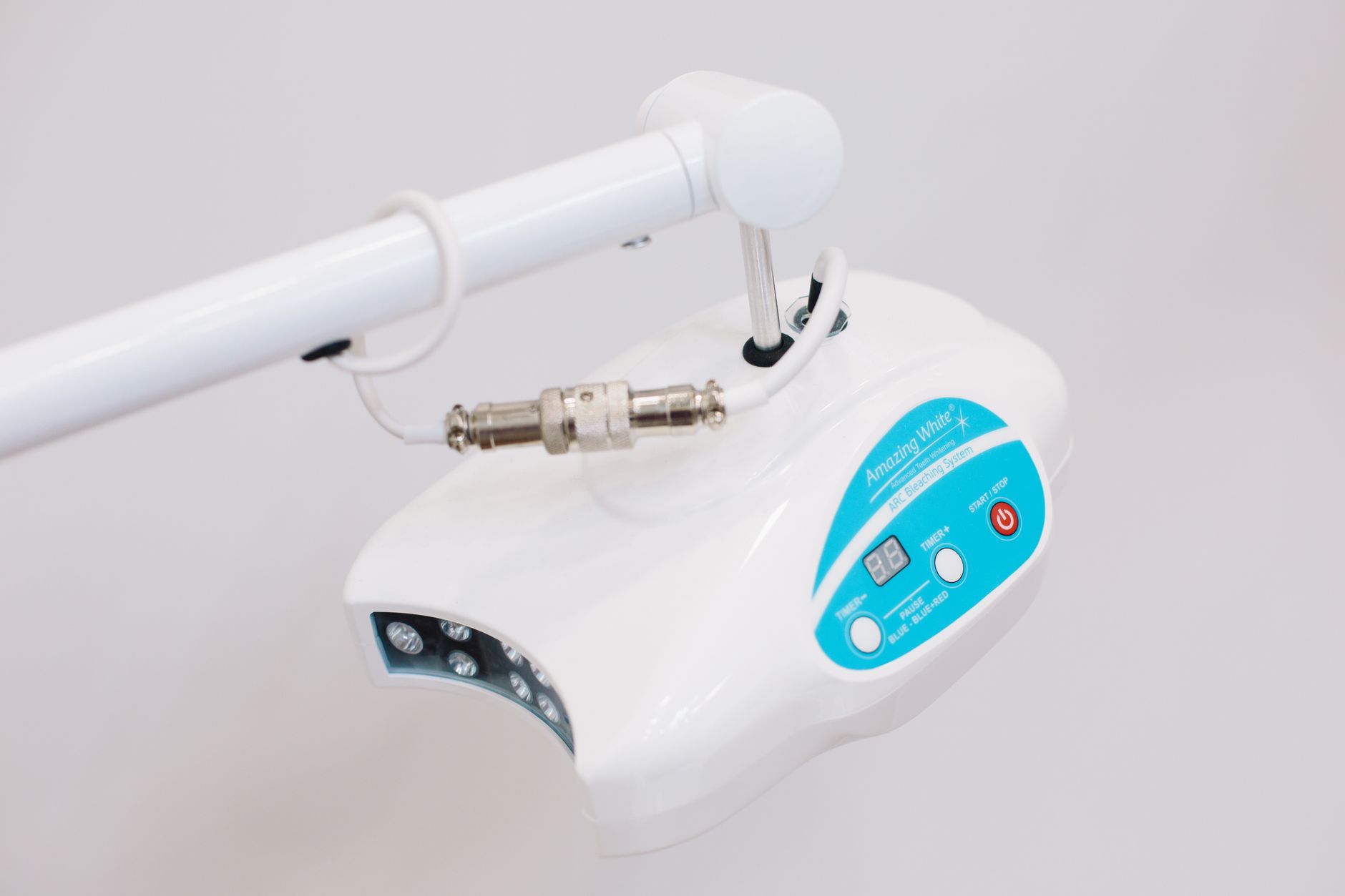
LED and blue light don’t whiten teeth on their own. What they do is accelerate the peroxide reaction. A 2023 meta-analysis in the Journal of Esthetic and Restorative Dentistry found that light-activated whitening produced statistically significant improvement over peroxide alone — about 2–3 additional shades on average. Not revolutionary, but measurable.
Contact time is everything. The peroxide needs to sit on your teeth for a sustained period to work. This is why strips outperform toothpastes, and custom trays outperform strips. The longer the contact, the better the result.
Top Picks: Best At-Home Teeth Whitening Devices 2026
1. Snow Teeth Whitening Kit — Best Overall LED Whitening System
Snow has become the most recognizable name in at-home whitening, and the 2026 kit earns its position. The LED mouthpiece uses both blue and red light — blue accelerates whitening, red light reduces sensitivity by promoting gum health. It’s a thoughtful dual-mode design that solves the biggest complaint about whitening: pain.
The proprietary whitening serum uses a 9% hydrogen peroxide formula applied via a proprietary wand. The mouthpiece is wireless, charges via USB-C, and each session takes 9–30 minutes depending on the mode you select.
In independent testing, Snow produced a measurable shade improvement of 4–6 shades after 21 days of daily use. That’s within striking distance of professional results at roughly one-tenth the cost.
Key specs: Dual LED (blue + red), 9% hydrogen peroxide serum, wireless mouthpiece, USB-C charging, 9–30 min sessions, 75+ treatments per kit
Shop Snow Whitening Kit on Amazon →
2. AuraGlow Teeth Whitening Kit — Best Value LED Kit
AuraGlow delivers the core whitening experience at half the price of premium kits. The LED accelerator light fits over the included mouth tray, which you fill with the 35% carbamide peroxide gel (equivalent to roughly 12% hydrogen peroxide — one of the highest OTC concentrations available).
The gel concentration is aggressive enough that you’ll see results in 3–5 sessions, but it also means sensitivity is more likely. If you have sensitive teeth, start with shorter sessions (10 minutes instead of the full 30) and work your way up.
The LED light is battery-powered (comes with CR2450 batteries), not rechargeable. It’s basic, but it works. For the price, AuraGlow is the best entry point into LED whitening.
Key specs: LED accelerator light, 35% carbamide peroxide gel, battery-powered light, thermoform mouth trays, 30-minute sessions, 15+ treatments
3. Crest 3D Whitestrips Professional Effects — Best Whitening Strips
Sometimes the classic is still the best. Crest Whitestrips have been around for over two decades, and the Professional Effects version remains the gold standard for strip-based whitening. The 2026 formulation uses Crest’s Advanced Seal technology, which grips teeth tightly enough that you can talk and drink water while wearing them.
The active ingredient is 14% hydrogen peroxide — higher than most OTC gels. Each strip stays on for 45 minutes, and the full treatment is 20 days. The results are well-documented: Crest’s clinical data shows an average improvement of 7 shades, which is genuinely competitive with professional treatments.
No LED light. No mouthpiece. No charging. Just stick them on and go about your morning. If you want the simplest, most proven whitening method that requires zero tech, this is it.
Key specs: 14% hydrogen peroxide, Advanced Seal grip, 45-minute wear time, 20-day treatment, 40 strips total (20 upper + 20 lower)
Shop Crest Whitestrips on Amazon →
4. Glo Science Glo Brilliant — Best Premium Whitening Device
Glo Science was founded by Dr. Jonathan Levine, a Manhattan cosmetic dentist who wanted to bring his in-office protocol home. The Brilliant device uses a combination of guided light optics (GLO) technology and a patented warming heat mechanism that accelerates the peroxide reaction without dehydrating enamel.
The device looks like a sleek mouthguard with an integrated light and heating element. You apply the 6% hydrogen peroxide gel to the inside, put it in your mouth, and it runs through 8-minute cycles. The warming mechanism is the differentiator — it maintains the gel at an optimal temperature for sustained chemical activity, something LED alone doesn’t do.
Clinical results from Glo’s own studies show 5–8 shade improvement. Independent dermatological assessments have been less dramatic but still positive — roughly 4–5 shades for most users. At this price point, you’re paying for convenience, design, and the heating technology. Is it worth 3x the Snow kit? Depends on how much you value the premium experience.
Key specs: GLO light + warming technology, 6% hydrogen peroxide gel, 8-minute cycles, rechargeable, FDA-cleared, travel case included
Shop Glo Brilliant on Amazon →
5. Opalescence Go 15% — Best Dentist-Recommended Take-Home Tray
Opalescence isn’t a gadget — it’s the tray-based whitening system that dentists have been sending patients home with for years. The 15% hydrogen peroxide formula is one of the strongest available without a prescription, and the prefilled trays mean zero mess, zero measuring, and zero fitting.
Each tray is worn for 15–20 minutes. The formula includes potassium nitrate and fluoride, which reduce sensitivity and strengthen enamel simultaneously. This dual-action approach is why dentists recommend it — you’re whitening and protecting at the same time.
The results are fast. Most users see noticeable improvement after 3–5 applications. The full 10-day treatment typically produces 6+ shades of improvement. It’s not cheap per treatment, but if you want dentist-level results without a dentist appointment, Opalescence is the real deal.
Key specs: 15% hydrogen peroxide, prefilled disposable trays, 15–20 min wear time, 10-day treatment, potassium nitrate + fluoride formula
Shop Opalescence Go on Amazon →
6. Colgate Optic White Pro Series LED — Best Budget LED Device
Colgate entered the LED whitening space with the Optic White Pro Series, and it’s a solid option for anyone who wants to try light-accelerated whitening without spending $100+. The device uses blue LED light with a hydrogen peroxide serum that connects directly to the mouthpiece.
The peroxide concentration is modest (6%), so results take longer — expect 10+ sessions before you see significant change. But the low concentration also means minimal sensitivity, which makes this the best pick for people who’ve had bad experiences with whitening pain.
The device is rechargeable, lightweight, and the 10-minute sessions are easy to fit into a routine. It won’t match the results of Snow or Crest Whitestrips, but at this price, it’s a low-risk way to test whether LED whitening works for you.
Key specs: Blue LED light, 6% hydrogen peroxide serum, rechargeable, 10-minute sessions, USB-C charging, travel-friendly
Shop Colgate Optic White LED on Amazon →
Device Type Comparison: Which Whitening Method Is Right for You?
| Method | Best For | Time to Results | Sensitivity Risk |
|---|---|---|---|
| LED + Gel Kit | Fast, visible whitening | 1–3 weeks | Medium |
| Whitening Strips | Simple, no-fuss routine | 2–3 weeks | Medium-High |
| Prefilled Trays | Dentist-level results | 1–2 weeks | Medium |
| Whitening Pens | Touch-ups and maintenance | 4+ weeks | Low |
| Whitening Toothpaste | Stain prevention only | Minimal | Low |
How to Minimize Sensitivity During Whitening
Sensitivity is the number one reason people quit whitening halfway through. Here’s how to push through it:
- Start low and slow. Use a lower concentration gel (6–10%) for shorter sessions first. Build up as your teeth adapt.
- Use desensitizing toothpaste containing potassium nitrate for two weeks before starting whitening. Sensodyne Pronamel or Colgate Sensitive are good options.
- Take breaks. If your teeth hurt, skip a day. Whitening isn’t a race. Consistency over months beats intensity over days.
- Avoid hot and cold for 30 minutes after each session. Your enamel is temporarily more porous.
- Never whiten with cavities. Active decay + peroxide = severe pain. Get a dental checkup first.
What Whitening Can’t Do
Be honest with yourself about expectations:
Whitening doesn’t work on crowns, veneers, or fillings. If you have visible dental work, whitening will make your natural teeth lighter while the restorations stay the same color. This creates an obvious mismatch.
Some stains don’t respond to peroxide. Tetracycline staining (caused by certain antibiotics during childhood) penetrates deeper than surface-level whitening can reach. You’ll see modest improvement but not the dramatic results most people expect.
Whitening is temporary. Even with the best kit, results last 6–12 months depending on your diet. Coffee, tea, red wine, and smoking will stain again. Maintenance treatments every 3–4 months keep the results fresh.
The Bottom Line
At-home teeth whitening has reached the point where it genuinely competes with professional treatments — at a fraction of the cost. The Snow Kit and Crest Whitestrips are the two standouts: Snow for the LED-accelerated experience, Crest for the simplest, most proven strip-based method. If you have sensitive teeth, Colgate’s Optic White LED or Opalescence Go with its built-in desensitizers are your safest bets.
Whatever you choose, commit to the full treatment. Quitting after three sessions because you “don’t see results yet” is like quitting the gym after three workouts. The chemistry needs time. Give it 2–3 weeks, and you will see the difference.